What to Do With a Fiddle Leaf Fig in March – 6 Crucial Steps for Lush Leaves and Vigorous Growth All Year
Fiddle leaf figs are about to enter their active growth phase – here's how to help yours flourish


Fiddle leaf figs might be fickle, but they are undeniably majestic plants. If you're wondering how exactly to help yours thrive in March, now is the time to clean, fertilize and repot before the active growth period begins.
With spring on the horizon, fiddle leaf figs are slowly leaving their winter dormancy behind and preparing to flourish once again. This means that maintenance is crucial in March: you'll want to clean the leaves, check for pests, and ensure that your plant is well-fed.
As with many houseplants, the start of spring also serves as an ideal time to conduct a thorough root check and transfer your fiddle leaf fig to a larger pot if necessary. It isn't always easy to grow and care for a fiddle leaf fig, but these simple tasks will help yours to flourish in March. (If you haven't yet added one to your collection, you can pick up a wonderful fiddle leaf fig from Fast Growing Trees.)
1. Start to Fertilize Your Fiddle Leaf Fig

Fiddle leaf figs don't need to be fertilized every month, but it's important to do so during their active growth season – which begins now.
'In March, fiddle leaf figs can be spotted with new leaves emerging,' explains Tenielle Jordison, Gardens Content Editor at Homes & Gardens. 'This is the time to start fertilizing them monthly to support their new growth.'
If you're wondering how to fertilize houseplants like fiddle leaf figs, there are a number of different options; if you're after something versatile, go for a general fertilizer like the Miracle Gro indoor liquid plant food, which you can find at Amazon.
'You can use a balanced all-purpose houseplant fertilizer, or you can get specific fiddle leaf fig feeds,' says Tenielle. 'Whatever the case, make sure to follow manufacturer instructions and don't overfertilize your plant, as it can cause brown, crispy leaves and even leaf drop.'

Tenielle is a Gardens Content Editor at Homes & Gardens with over six years of journalistic experience, including previously having the role of Gardens News Writer. She holds qualifications in BA Journalism, Media and English Literature and MA Magazine Journalism. Before coming to Homes & Gardens, Tenielle was in the editorial department at the Royal Horticultural Society and worked on The Garden magazine. As our in-house houseplant expert, Tenielle writes on a range of solutions to houseplant problems, as well as other 'how to' guides, inspiring garden projects, and the latest gardening news.
2. Clean the Leaves Carefully

Spring cleaning isn't just for your home; now is the perfect time to give your houseplants a refresh, ensuring that they're pristine and pest-free as they start to grow.
'I always use the start of spring as an opportunity to clean my biggest houseplants' foliage,' says Tenielle. 'You'll be surprised at just how much dust they can gather on their large leaves.'
Dust may sound like a minor issue, but it can lead to more serious developments.
'Leaving this dust on a fiddle leaf fig's foliage can block its pores and hinder its ability to photosynthesize,' explains Tenielle. 'This is especially a problem in early spring as it enters an active growth season.'
3. Check for Pests

While you're sprucing up your fiddle leaf fig, it's a good idea to check for pests like spider mites, mealy bugs and aphids.
'I use houseplant dusting gloves to gently wipe my plants' leaves clean, but you can also use a soft microfiber cloth,' says Tenielle. (You can pick up microfiber dusting gloves for less than $10 at Amazon.)
As you wipe the leaves, look out for any pesky bugs or larger infestations. 'I recommend checking underneath the leaves for any hiding pests and carefully removing them,' says Tenielle.
4. Start Watering More Frequently

After a period of dormancy, it's only natural that your fiddle leaf fig becomes thirstier in the spring – so you'll want to devote more time to watering it in March.
'You'll notice your fiddle leaf fig requires more water as spring temperatures arrive,' says Tenielle. 'To support new growth, it's important to increase watering frequency.'
5. Pay Attention to the Soil
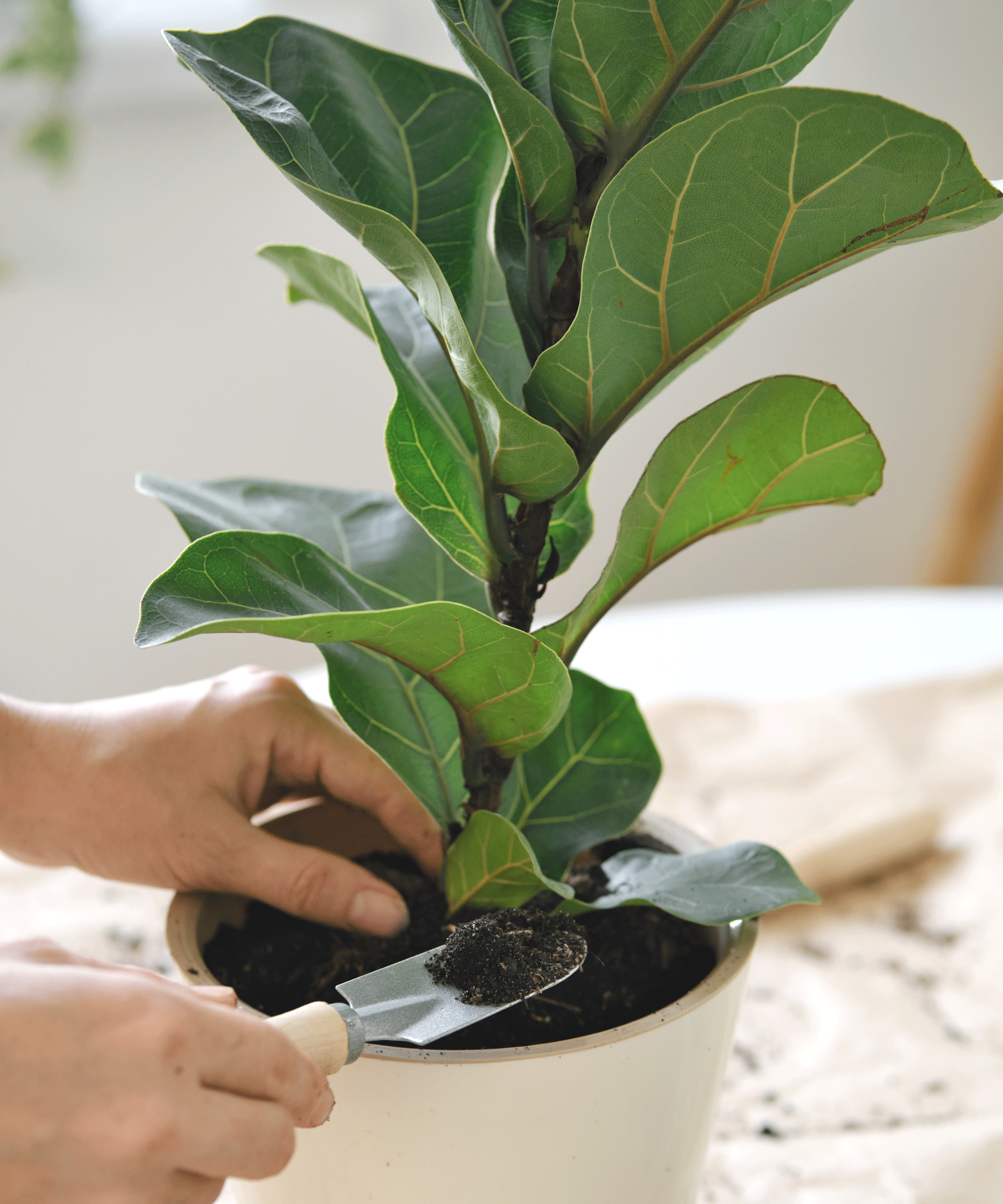
Just as you start to water your fiddle leaf fig more regularly, you'll also need to pay close attention to the soil. This will help you to ensure that moisture levels are balanced and your plant isn't at risk of drying out or beginning to rot.
'Before picking up my watering can, I always use a soil moisture meter (like this one from Walmart) to check how wet my plants' soil is,' says Tenielle. 'This will prevent overwatering.'
The secret? 'When the top couple of inches of fiddle leaf fig's soil is dry, you can add more water,' Tenielle explains. 'However, take care not to let the soil become soggy, as root rot is a common problem with fiddle leaf figs.'
6. Repot if Necessary
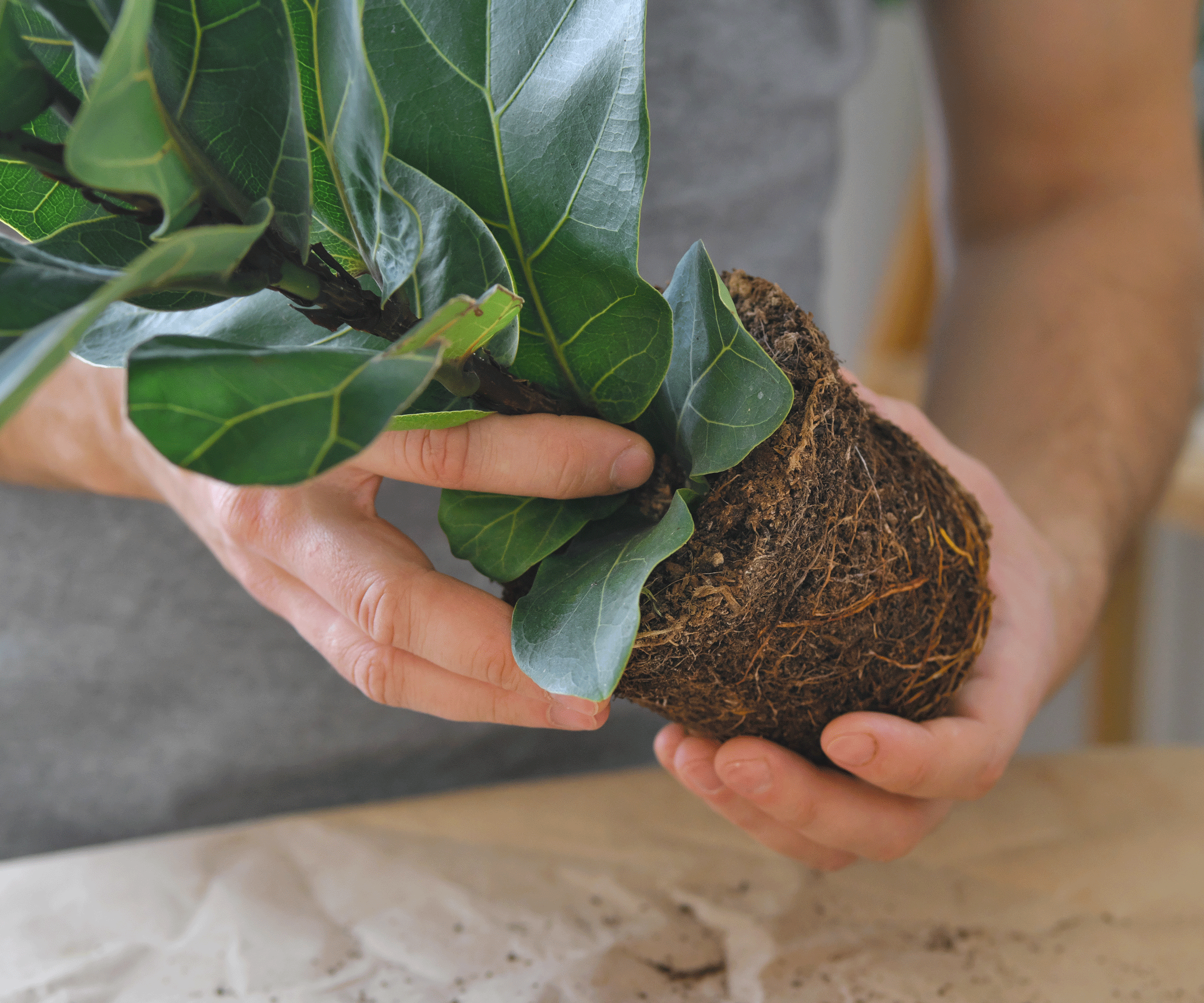
Repotting is another essential spring task for any houseplant enthusiast, and spring is the perfect time to check it off your list.
Fiddle leaf figs should be repotted every few years, but you may need to do so earlier if you spot any warning signs while examining the soil. These include roots peeking out of the drainage holes in your container, or creating a tight mass at the bottom.
A root-bound plant requires fresh soil and a bigger pot to continue its growth, so you'll want to transfer it before the spring really gets underway.

Ensure your fiddle leaf fig is well-fed by choosing a fertilizer like this one. It's specially formulated to provide the best blend of nutrients, and it's easy to apply – simply dilute and add to the soil.

You'll find a huge variety of live houseplants at IKEA, including this potted fiddle leaf fig. Throw in a stylish planter like this beige plant pot and you can even get free delivery.

This expertly-formulated potting mix is designed to provide optimal water retention and plenty of nutrients. (You can also make your fiddle leaf fig potting mix, if you prefer a DIY method.)
Want to fill your home with fiddle leaf plants this spring? We asked experts how to propagate a fiddle leaf fig – and how to properly water a fiddle leaf fig, too.
If you love inspiring garden ideas, outdoor advice, and the latest news, sign up for our newsletter and get the latest features delivered straight to your inbox.
