Bees Swarm To This Flower In October For Vibrant, Life-Giving Blooms – And it Deserves a Spot in Your Yard
Why every fall yard needs glorious goldenrod

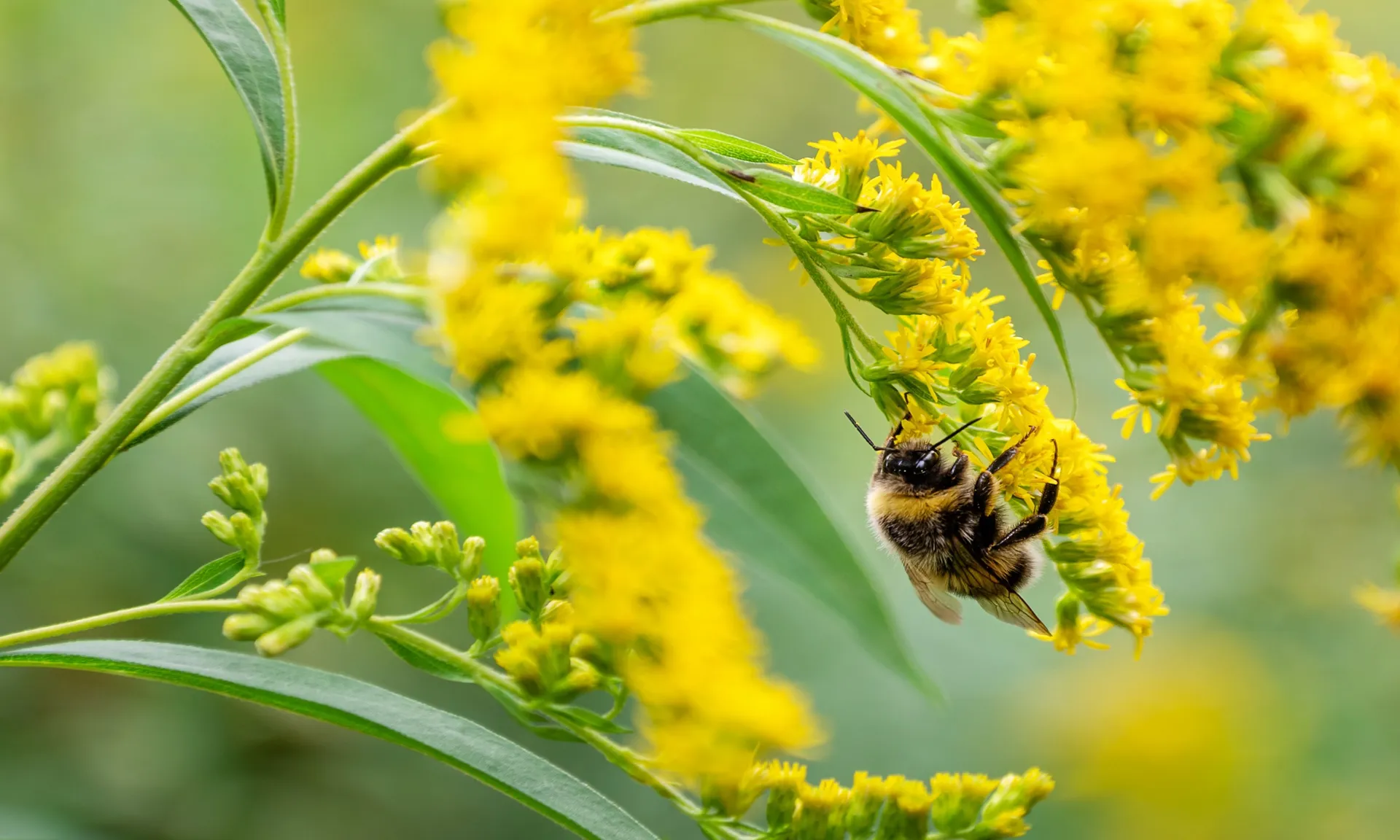
Heading into October, it's easy to sustain a lively and color-filled yard if you choose the right, hardworking plants. Glorious goldenrod has to be one of the smartest choices, with it's plumes of tiny sunshine flowers dazzling as the season mellows.
Native to North America, goldenrod or solidago is hugely attractive to pollinators thanks to it's late flowering period and long-lasting profusion of flowers each brimming with pollen and energy-giving nectar. This - plus it's dramatic personality - makes it one of the best plants to attract bees to your garden.
Closely related to asters, goldenrod is a long-lived and easy-going perennial that demands little upkeep. Clump-forming, it is quick to establish and spread via rhizomes. There are many plant types to choose from, suiting sunny yards big and small. Anise Scented Goldenrod from Amazon with it's vivid feather-like blooms and spice-scented leaves is a particularly good clump-forming choice.
Why Bees Seek Out Goldenrod In October
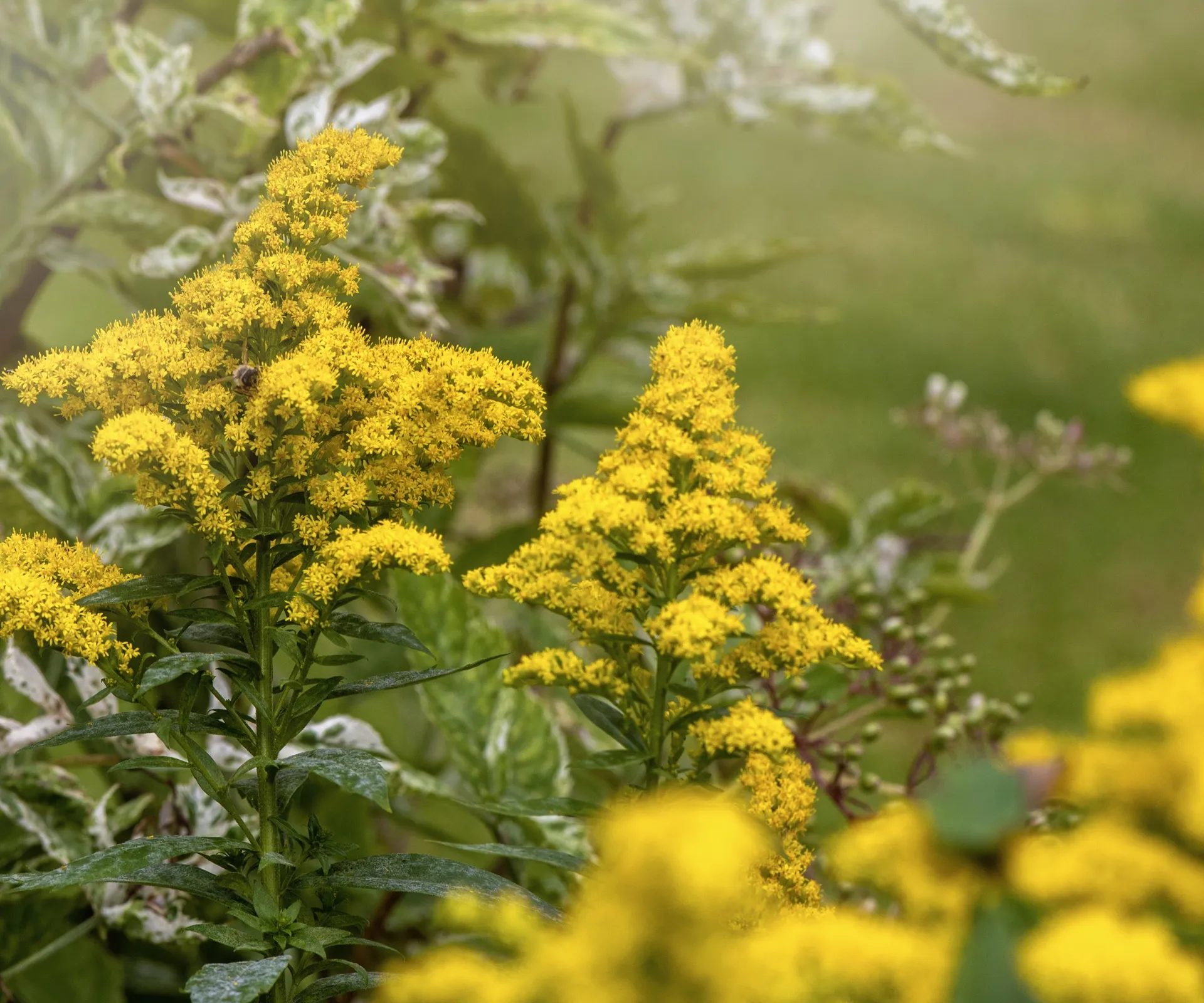
There's no denying that bees seek out goldenrod but what exactly is the appeal of this impressive perennial? Is it the late appearing blooms, their tightly clustered nature or the plant's robust and drought-tolerant nature? Well - it's a combination of all these elements, as experts explain.
'Goldenrod produces masses of tiny flowers packed into its showy plumes, giving bees access to a lot of nectar and pollen without having to travel from plant to plant,' says Master gardener Tabar Gifford. 'And it blooms just as many of the summer's major nectar sources are fading, so its timing is especially valuable.'
Mary Phillips, Head of Native Plant Habitat & Certifications at the National Wildlife Federation agrees and points out that, 'An important source of nectar and pollen. Goldenrod's late-season flowers can help native bees build up the resources they need before winter.'
She also adds, 'goldenrod is a keystone species that has evolved alongside over 50 types of specialist native bees, including leafcutter, longhorn, mining, carpenter, and sweat bees.'
Learn more about North American bees and their needs in Bees In Your Backyard Guide available from Amazon.
Why Are Nectar And Pollen Vital For Bees In Fall
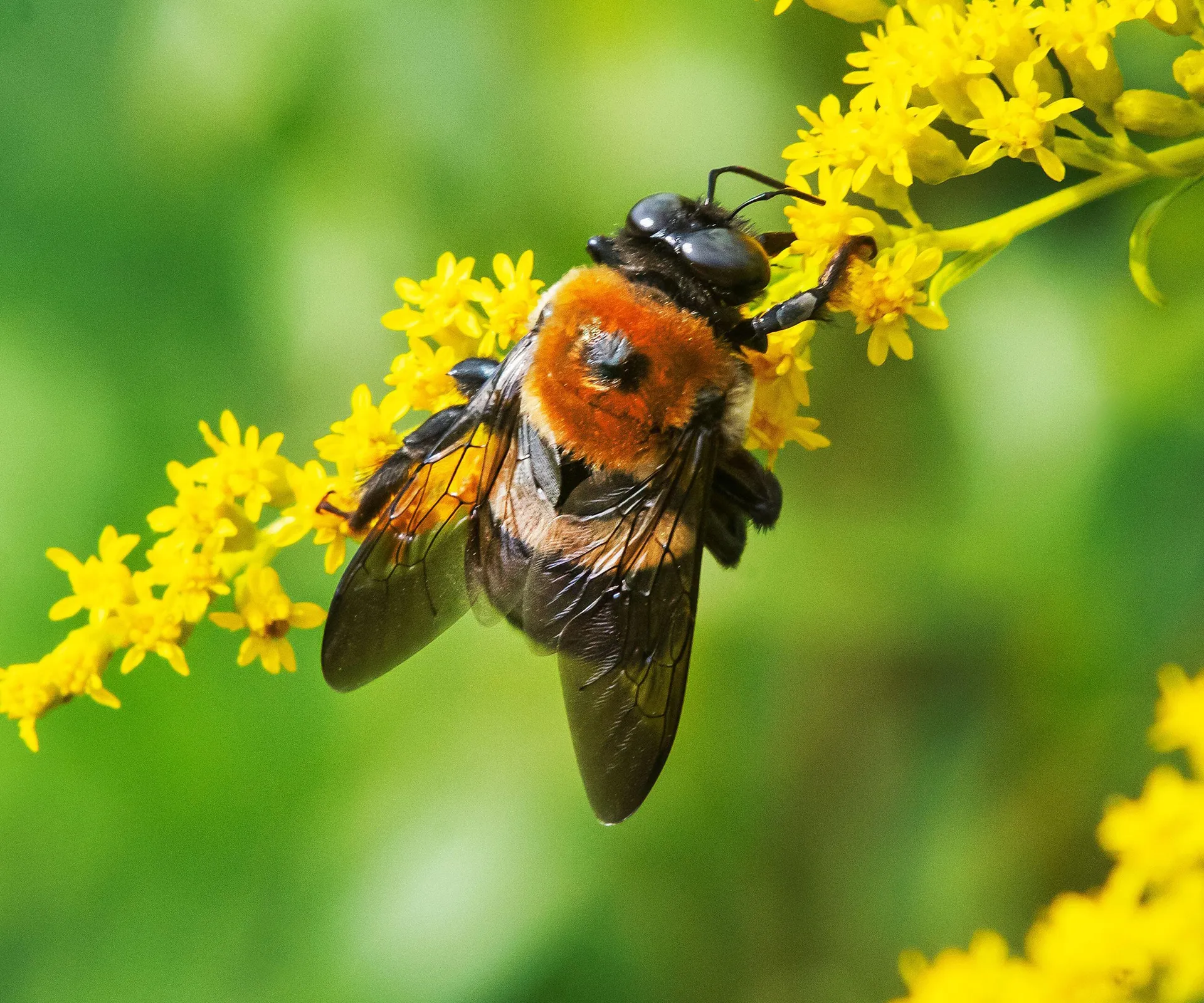
Goldenrod, one of the best fall-blooming native plants, is abundant with nectar and pollen at a time of year when most blooms are fading. This makes it a favorite destination plant for bees and other pollinators, but why are these substances so sought after?
'Nectar provides bees with energy, while pollen supplies protein and other nutrients they need for growth and reproduction,' explains Tabar. 'By late summer and into fall, that food is particularly important as bees prepare for winter or, in the case of many solitary bees, complete the reproductive stage of their life cycle.'
Stockpiling reserves to see them through the winter is motivation for certain types of bee.
'Bumble bees are also frequent visitors in fall,' says Tabar. 'New queens are among the bees taking advantage of late-season flowers to build the energy reserves they'll need to survive the winter. Supporting those queens is important because they are the ones that emerge the following spring and establish new colonies.'
Support the life cycle of solitary bees by providing a safe nesting site using groups of Rivajam Phragmite Reed Bee Tubes from Amazon, tucked into gaps in stone or brick walls and tree trunks.
Types Of Goldenrod To Plant And Avoid
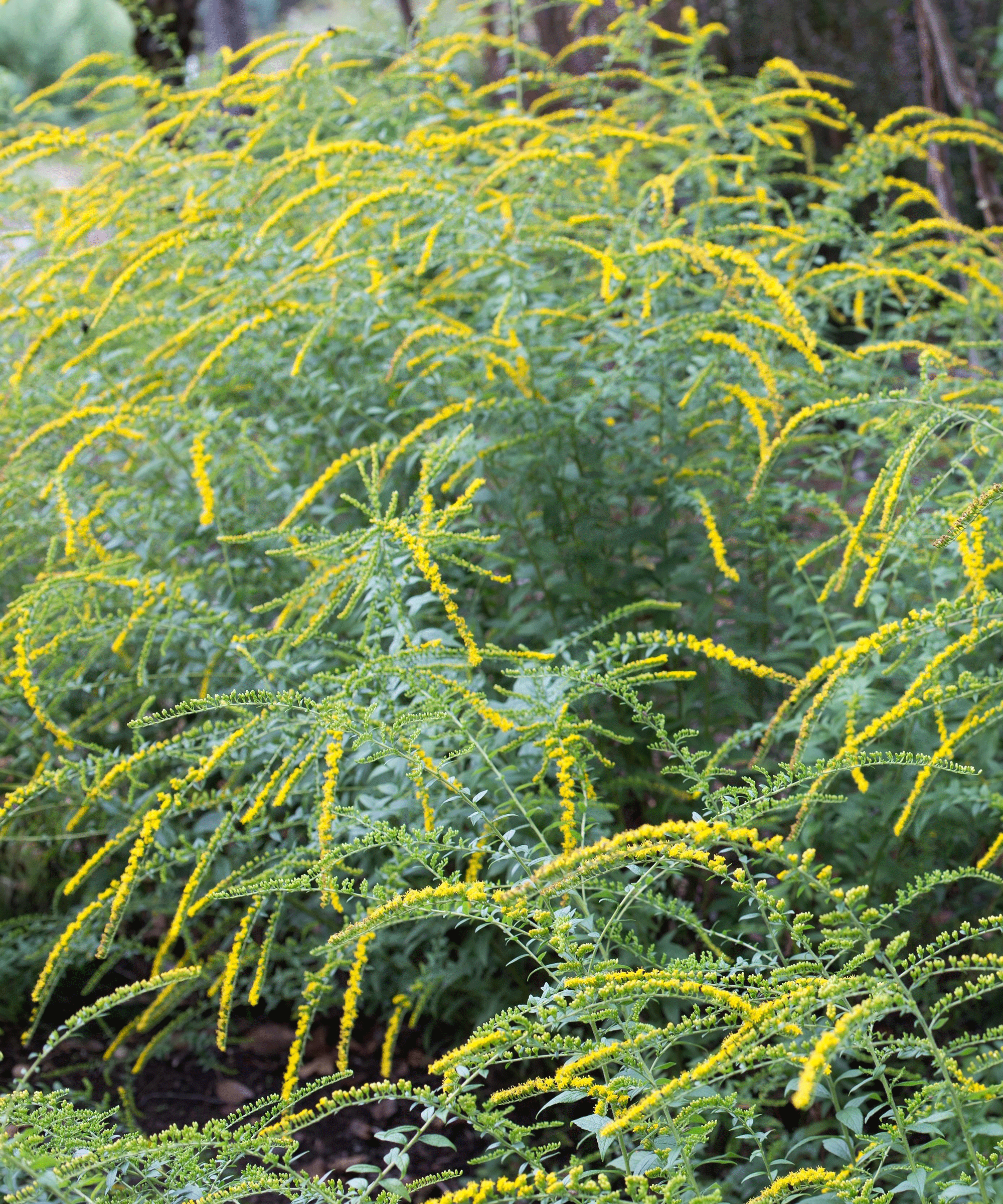
A North American native, there are around 75 species of goldenrod in the country, each thriving in their own specific habitats. But it's worth checking each types specific growing habits before choosing one for your yard. Mary explains, 'A native plant that is too vigorous in one setting may be perfectly appropriate in another. Use the National Wildlife Federation’s Native Plant Finder to find species native to your ZIP Code.'
One standout species that turns heads, if given the space it needs, is Fireworks Goldenrod, available from Nature Hills. The arching, slender stems are lined with starry blooms from late summer through to late fall. This plant does need room though, thriving in USDA Zones 4-9, it grows to around 3-4 ft (91-121cm) tall and 2-3 ft (61-91cm) wide.
Growing in smaller, manageable clumps, perfect for the front of borders, Solidago sphacelata ‘Golden Fleece’, found at Garden Goods Direct, is compact, reaching heights of up to 1-2ft (30-61cm) and smothered in dense, frothy flowers from late summer to fall.
If you are after a shade loving and characterful species then Zigzag goldenrod or Solidago flexicaulis grows to 2-4’ (61-121cm) with a spread of 2-3’ (61-91cm). Happy in sun or part shade, its ideal for planting on woodland edges and is one of the best plants for under trees.
Late Flowering Plant Pairings For Pollinators

Filling the yard with vibrant, fall-flowering perennials is not solely about extending the visual appeal of our yards but also to provide invaluable resources for pollinators when most needed.
Sedum, coneflower and autumn crocus are all nectar-rich, and useful companions to goldenrod, but there's one plant that is the perfect compliment.
'Goldenrod works especially well when planted alongside other late-season native flowers, particularly asters. Together, goldenrods and asters can provide a succession of nectar and pollen when much of the garden is winding down,' says Mary.
'When left in place, goldenrod seedheads are an important food source for birds, while the standing stems offer overwintering sites for native bees and other beneficial insects,' she adds.
Find an inspiring range of aster at Eden Brothers including New England Aster Seeds.

Nikki is a Marketing & Horticulture Specialist at Perfect Plants Nursery, a family-owned online nursery with roots dating back to 1980. She combines horticultural knowledge with practical gardening advice to help home gardeners successfully grow and maintain their landscapes.

Mary is Head of Native Plant Habitat & Certifications at the National Wildlife Federation, is an ambassador for native plants. Her work ensures all habitat programs and resources are rooted in sustainable practices and the latest science.

As the Partnership Cultivator at American Meadows and High Country Gardens, Tabar Gifford, a Master Gardener, and dedicated “plant geek,” passionately fosters connections. With a lifelong love for gardening and nature, and a background in environmental studies and sustainable community development, she combines horticultural expertise with a commitment to education. She gardens in zone 4 in Vermont.
What To Shop


Goldenrod is just one of many plants for pollinators that every yard should have. There are lots of other ways to help bees in October in your garden.
Discover these along with the wildlife garden ideas that can support these hardworking creatures to make our plots more valuable ecologically.
If you love inspiring garden ideas, outdoor advice, and the latest news, why not sign up for our newsletter and get the latest features delivered straight to your inbox?
