This Is the One Place I Never Let Fallen Leaves Pile Up in My Yard – It Saves a Bigger Job in Spring
Experts explain why removing fallen leaves can help your lawn breathe in fall

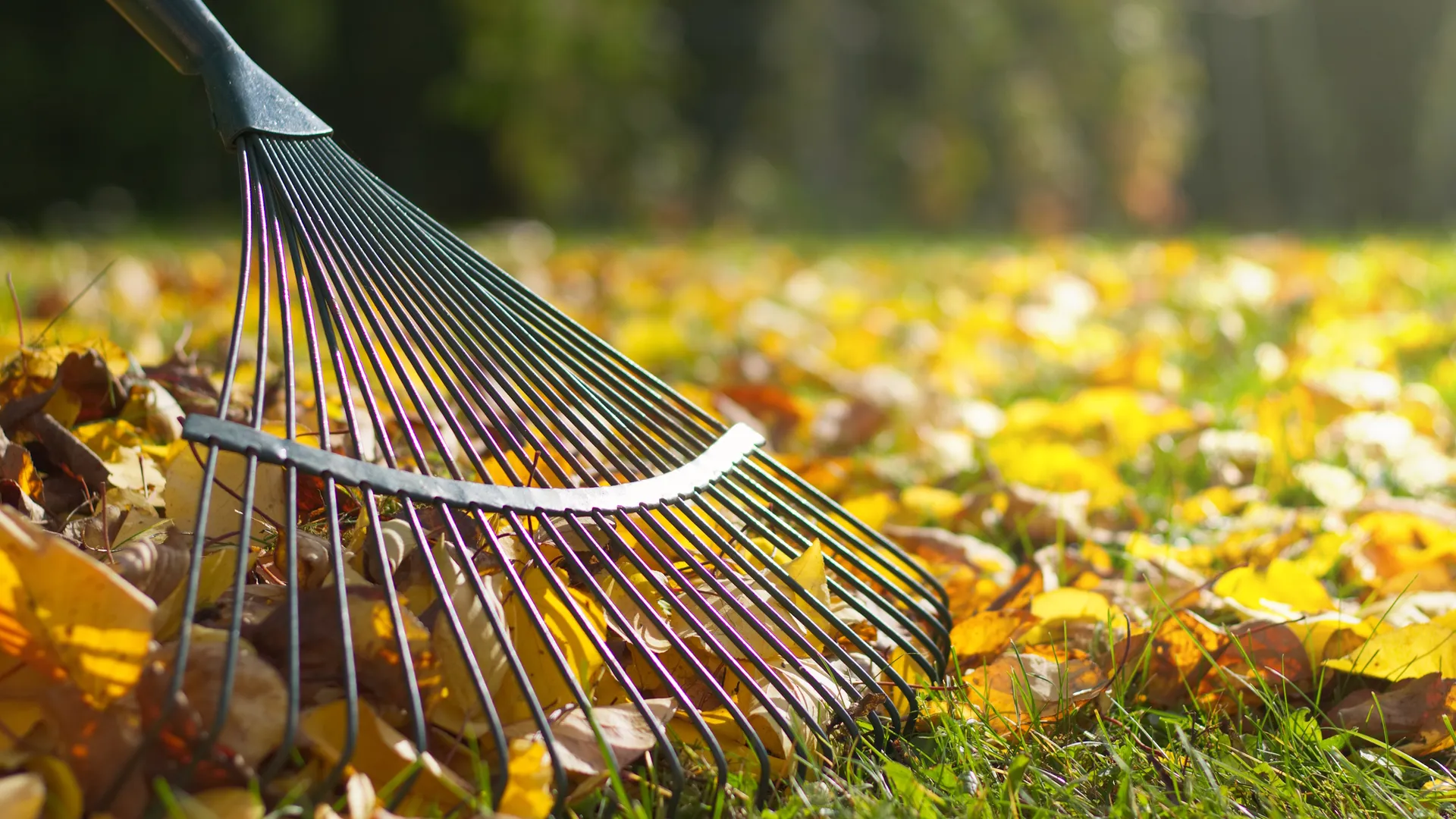
Picking up fallen leaves can feel like a never-ending battle in fall, with new piles appearing just hours after clearing the last lot. That's why I don't bother clearing leaves from absolutely everywhere in my yard. Instead, I focus on the one spot where fallen leaves can cause big problems: my lawn.
Leaving fallen leaves on the ground is beneficial for the wildlife that use it as shelter, and it can provide some insulation in flower beds. However, it's a crucial part of fall lawn care to remove fallen leaves because they can smother grass and kill it, leaving bare spots come spring – something I learned the hard way.
Luckily, it's super easy to clear leaves from your lawn in fall (and there are plenty of leaf-clearing tools you can use, like these hand leaf scoops from Amazon). Here, lawn care experts explain why you should never skip this fall garden task.
Why Remove Leaves from the Lawn?

'A light layer of leaves can be beneficial when it is mulched finely, but thick piles should not be left on the lawn,' says Brian Feldman from TruGreenHeavy. 'Leaf coverage can smother the grass, block light and air, and contribute to matting and disease problems,' he explains.
Last year I made the mistake of leaving leaves in a corner of my lawn where a tree overhangs. In spring, I found the whole corner to be nothing but bare soil where the grass had died from suffocation of the leaves over fall and winter. It ends up leaving you with the bigger job of having to repair patches in grass.
As Brian notes, this isn't the only potential risk of leaving leaves on the lawn. You also risk the leaves trapping moisture and harnessing an environment for disease, including powdery mildew on your lawn and red thread.
'Leaves trap moisture, acting like a mulch over the lawn. Even though leaf mulch benefits planting beds, it doesn't work for lawns because trapped moisture can cause diseases to thrive,' says Hillary Thompson, horticulturist and director at Super-Sod.
For this reason, the experts say it's important to remove piles of leaves from the lawn, though you don't need to be worried about a few scattered leaves.
'The preferred method is to mulch the leaves with a mower, chopping them into pieces about the size of a dime. The small pieces can return nutrients to the soil and serve as a sustainable form of lawn nourishment,' Brian suggests.
You can also use a leaf blower (this cordless one from Amazon is a good choice), rake, or if you have a larger lawn to clear, invest in push lawn sweeper (like this from Lowe's).
'I advise blowing or raking the leaves straight into beds or natural areas to decompose on the property and cycle those nutrients back into the soil for the plants to take up again,' says Hillary.
'Leaving the leaves on the property saves money and reduces waste. Even though the leaf mulch piles seem very deep in the fall, by the end of summer the leaves have rotted down, having added organic matter and nutrients to the beds,' she explains.
What to Shop
There are lots of things you can do with fallen leaves and other garden waste this fall. Our guide to eco-friendly ways to clear yard debris in fall has more information on how to compost, create wildlife habitat, make mulch, and more.
If you love inspiring garden ideas, outdoor advice, and the latest news, why not sign up for our newsletter and get the latest features delivered straight to your inbox?
Meet the Experts

Brian Feldman is Senior Director of Technical Operations at TruGreen and has over 30 years of experience driving agronomic and horticultural excellence across the U.S. and Canadian operations. As a degreed turfgrass agronomist and ISA certified arborist, he leads a team of scientific experts in delivering innovative turfgrass, horticultural and pest control solutions for residential and commercial clients.

Hillary is the communications director for Patten Seed Company and the subsidiaries Super-Sod (a sod farm) and Soil3 (a compost farm). She earned her BS in Horticulture from the University of Georgia and has spent the last 30 years marketing plants and gardening products. Her great love is enabling people to care for their own gardens, garden smarter, and enjoy the journey. She achieves this through content creation for Super-Sod and Soil3, as well as various public speaking engagements.
