Declutter Your Garden Shed in 30 Minutes – Six 5-Minute Wins for Instant Order
A simple plan to reclaim your shed space to create order and find garden tools quickly


Here’s a hard truth: your garden shed has a way of becoming unruly all on its own. The space slowly turns into a catch-all for hand tools, half-used bags of compost and soil, empty pots, and a tangle of tomato cages. The good news is you don’t need an entire weekend to restore order. With a focused plan, a few basic cleaning supplies and some energy, you can clean and organize your garden shed in just 30 minutes
It's true that even the most beautifully maintained borders and containers can be hiding a shed that has quietly descended into chaos. Part of the problem is that a garden shed is a hardworking space. It’s where pruners are tossed between deadheading sessions and fertilizer is stored on the floor. When every trip inside involves stepping over something or rummaging for a trowel, the shed stops being a helpful hub and starts becoming a source of low-level frustration.
A quick and strategic refresh is often all it takes to reclaim the floor, streamline your tools and make the space safer and easier to use all season long. I recently decluttered my own garden shed to get a jump on the spring gardening season. Here’s how I did it in just a half hour.


Start With A Simple 30-Minute Plan
Before you open the garden shed doors, have a few essentials at the ready: A stiff brush or broom, dustpan (this one from Amazon would be ideal), trash bag, donation bag, rags, an all-purpose cleaner, and a small box for items to relocate. If you have a handheld vacuum, that's even better.
Divide your half hour into six five-minute focused blocks:
- 5 minutes: Clear and sort
- 5 minutes: Clean from top to bottom
- 5 minutes: Clean and group tools
- 5 minutes: Organize Fertilizers and products safely
- 5 minutes: Create storage zones
- 5 minutes: Safety check and finishing touches
Working in timed bursts and using a timer keeps you working efficiently and stops you from getting off track.
Five Minutes: Reclaim The Floor First

The fastest way to make a shed feel cleaner is to reclaim the floor. Remove everything that’s sitting directly on it – soil bags, pots, crates, tools, supports – and place items just outside the shed door so you can see what you’re working with.
As you touch each item, make quick decisions:
Keep: Frequently used tools, sealed products, usable pots and so forth.
Relocate: Items that belong in the garage or house (old paint cans, random hardware).
Discard: Tools broken beyond repair, rusted pruners you haven’t touched in years, empty product containers. Consider if any might be donated to a school or community garden.
Be ruthless in your assessment. If a tool hasn’t been used in two years and you own a better version, it’s likely just taking up valuable space.
Five Minutes: Clean From Top To Bottom To Maximize Impact

Once the shed is mostly empty, clean it in starting from the top to the bottom. Use a stiff brush or broom to knock down cobwebs. Pay attention to shelving brackets and the tops of cabinets where dust settles over time.
If you have a small cabinet for fertilizers, pesticides or lawn treatments, wipe down the exterior and interior surfaces with a damp cloth. Check for spills or leaks; dried fertilizer granules can attract moisture and lead to corrosion.
Next, sweep the walls lightly, especially around tool hooks or pegboards where soil can cling. Finish by sweeping or vacuuming the floor thoroughly, getting into corners where dirt and debris accumulate.
This is where a shop vac is invaluable. A compact wet/dry shop vacuum, like this DEWALT wet/dry vac model found at The Home Depot, makes quick work of soil, cobwebs and even damp debris.
If time allows, wipe down frequently handled surfaces such as:
- Door handles
- Cabinet pulls
- The workbench surface
- The handles of electric tools
Five Minutes: Assess, Clean And Group Your Tools

Before returning tools to their places, take a minute to assess their condition. Lay out your essential tools (trowels, forks, pruners, shears, hand rakes) and look for rust, loose handles, caked-on soil.
Brush off any dried mud and rub away light rust with that stiff brush. Tighten screws on handles if needed.
Once you’ve checked the tools, group similar items together. Keeping cutting tools in one area and digging tools in another. Bins are useful for grouping tools.
If you have pegboard, this is the moment to use it properly. Hang hand tools vertically, spacing them so they’re easy to grab.
A wall-mounted rail system such as the Rubbermaid storage rail system with adjustable hooks, found at Lowe’s allows you to lift long-handled tools and storage bins off the floor. It’s an easy upgrade that instantly frees up floor space.
Five Minutes: Sort Fertilizers And Garden Products With Safety In Mind

Garden sheds often double as storage for fertilizers, lawn feed, pest control and seed packets, all of which need special attention. Check each bag or packet for expiration dates, packaging tears, moisture and other damage.
Dispose of any products that are clumped, moldy or long expired according. Adhere to your community’s disposal guidelines. Keep only what you actively use.
You should store fertilizers and chemical treatments in a sealed plastic bin or on a designated shelf or inside a cabinet, ideally off the floor to prevent moisture exposure. Keep them away from electric tools and extension cords.
Place seeds in airtight containers, too, for protection from dampness and pests. Amazon has an array of storage bins, including a range of sizes from IRIS USA.
Five Minutes: Create Storage Zones That Work For You

With everything checked and sorted, now’s the part that takes your garden shed to the next level: Organize intentionally by creating zones.
- Hand tools zone: Pegboard or wall hooks
- Potting zone: Workbench surface, small tools, twine
- Products zone: Cabinet or sealed shelf
- Electric tools zone: Dedicated corner with hooks or brackets
Return items strategically rather than randomly. Heavier items should sit on lower shelves and lightweight items can go higher up.
Store frequently used tools near the door for easy access. Seasonal or occasional items can live further back. If you have spare pots, stack them by size. Place trays vertically to save space.
Finish With A Five-Minute Safety Reset
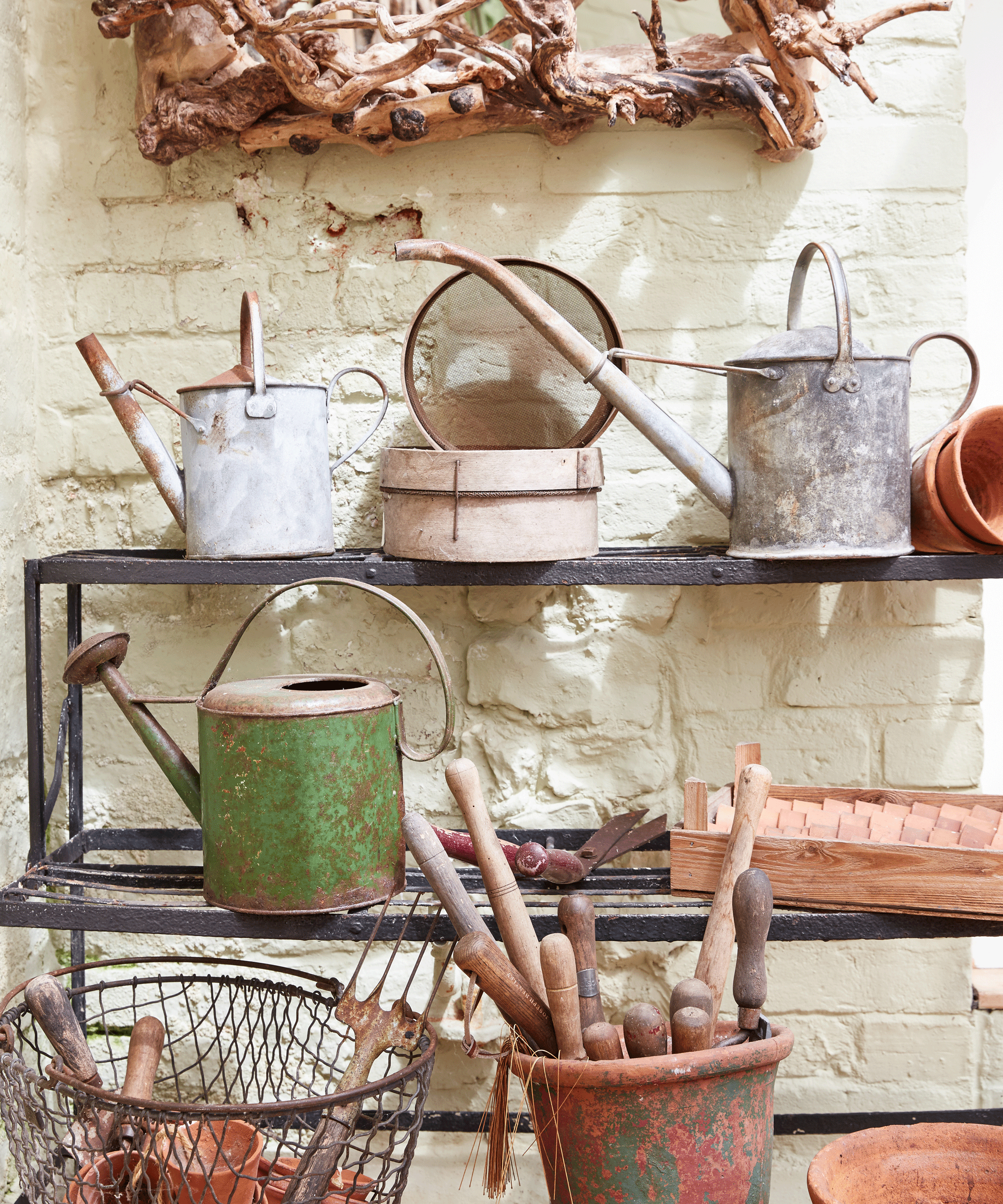
Before closing the doors, take a final walk-through. Ask yourself:
- Is anything blocking the entrance?
- Are chemicals sealed and out of reach of pets or children?
- Are sharp tools stored safely, blades facing inward or covered?
- Is the floor clear enough to walk through without stepping over clutter?
If your shed has windows, wipe them quickly to let in more light. Good visibility helps maintain order in the long term.
Finally, return only what truly belongs. If you’re unsure about an item, leave it out for now. A streamlined shed is easier to maintain than a packed one.
The secret to a tidy shed is small, consistent resets. Whenever you’re done gardening for the day, be sure to hang tools immediately, sweep away any soil and close bags tightly. A 10-minute rainy day reset now and then is all you’ll need to prevent clutter from building.
A well-organized garden shed makes gardening feel calmer and seriously more efficient. There’s also something to be said for how beautiful and Pinterest-worthy your potting shed can be. A focused 30 minutes is really all it takes to create a functional space you enjoy spending time in.
