Petals & Roots: How to Create a Spring Patio Container that Bees and Butterflies Will Love – It's Perfect For Small Yards
This planting recipe will bring color all summer, too


I am a firm believer that you do not require a huge backyard to attract a beautifully wide range of wildlife to your outside space. All you need are the right planting recipes in a few well chosen containers to get bees, butterflies and even hummingbirds arriving to share in your space.
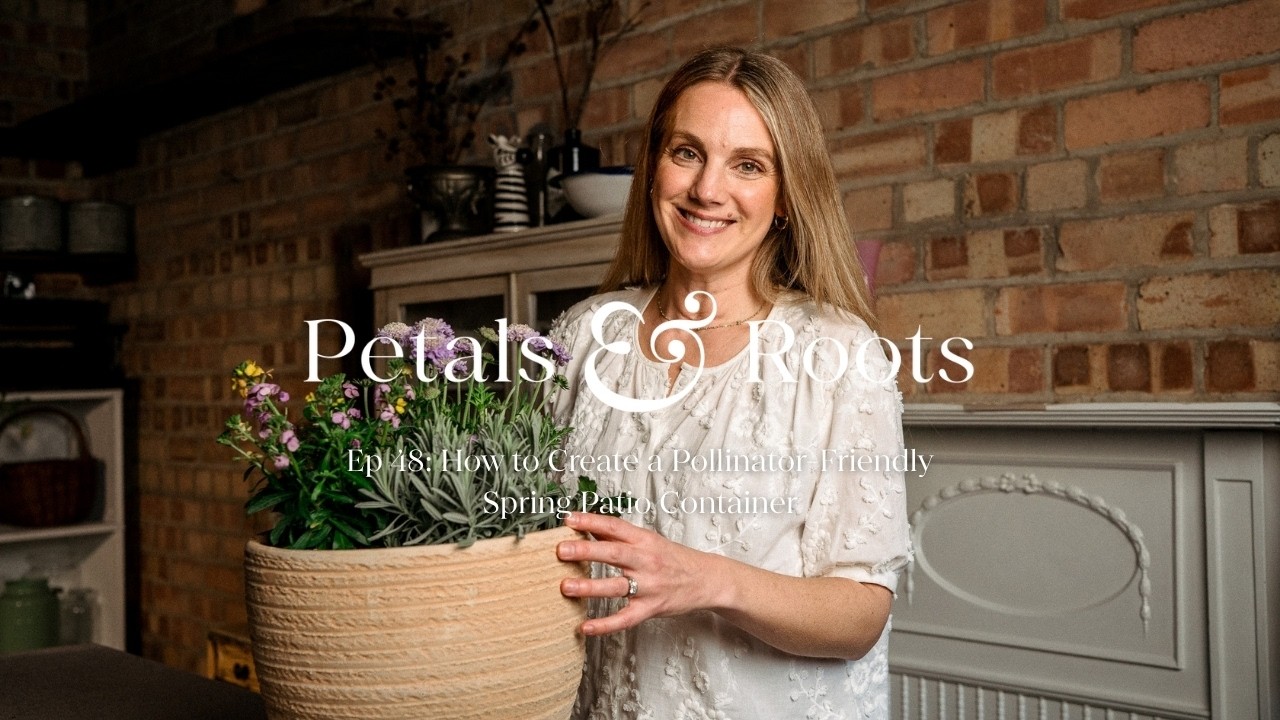
In the most recent episode of Petals & Roots, I share one of my favorite container planting combinations, which pollinators simply adore. Plant it now and you will be rewarded with a host of insect visitors, all of which play a vital role in our local ecosystems.
With the right care, this plant combination will stay looking lush and vibrant well into the fall. Here, I take you through the steps and show you how to keep it blooming for as long as possible.
What You Need

- A good quality trowel, such as this Fiskars one from Target
- All purpose, organic potting compost, which you can find at Amazon
- Vermiculite to improve drainage, also available from Amazon
- A timeless terracotta or ceramic container (see my edit below for inspiration)
- A selection of pollinator-friendly potted plants; the Hidcote lavender from Fast Growing Trees is a must
- A watering can
How To Plant up a Pollinator-Friendly Container

Once you have selected a planter or pot that suits your yard aesthetic, the first step is to cover the drainage hole with a small piece of broken pottery or a large stone.
This will stop any soil from escaping, and will prevent the hole from being blocked up, allowing it to provide the drainage your container garden will need.
Next, fill your pot about two thirds full with good quality potting compost. I like to mix in a little vermiculite (perlite would also work) into the soil, as this helps to improve the soil structure and means better drainage.

In my recipe, I combine scabious, wallflower, and lavender. When you come to add your plants, I always start with the largest first.
In this case, it's the scabious (Scabiosa columbaria). You can find the variety I chose 'butterfly blue' scabious at Burpee. Butterflies love this perennial for it's large, flat flower heads, which make nectar easier to reach.
The next plant to add is the wallflower, Erysimum. I love them for their super long flowering season, and because they carry a sweet scent which often surprises people. You can grow this perennial fairly easily from seed if you want to plan for future years; and you can find wallflower seeds at Amazon.
Last to go in is the lavender. There isn't a plant in my garden that the bees love more, and as such I grow a lot of different varieties. One of my favorites is Sensational™ lavender, available from Fast Growing Trees.

Once your plants are in place, firm them in with more compost to fill any gaps. Position before you water it, otherwise it will be really heavy to carry.
To keep your container looking colorful and healthy all summer, the main thing to remember is to deadhead spent flowers. You'll see on he scabious when flowerheads become brown and crispy. Simply snip or pinch them off to encourage new flower heads to grow.
The wallflower will flower from bottom to top, growing taller flower spikes as it does. If any look spent in their entirety, snip those off too.
And water regularly. Container plants dry out much more quickly that those planted in beds, so keep up with the watering, especially during hot and dry spells.
My Container Edit


Petals & Roots is a weekly video series fronted by me, Rachel Bull, Head of Gardens at Homes & Gardens. Every weekend on social, I share my seasonal gardening and flower arranging expertise and advice.
Love inspiring garden ideas, outdoor advice, and the latest news? Sign up for the Homes & Gardens newsletter and get the latest features delivered straight to your inbox.
