
Inevitably, furniture trends have a life cycle. What once felt fresh and exciting can end up feeling tired and overdone a few years later. While no furniture choices are inherently good or bad, being in the know about outdated furniture trends that designers are avoiding can help ensure you don’t end up with a home you quickly tire of.
Looking ahead to 2027, we spoke with interior designers about the furniture trends they consider dated and the alternatives they’ll be implementing in the new year, from fabrics and finishes to shapes and details.
1. Pale Timber

A dark wood dining table brings a sense of elegance and grounds this pale scheme.
Melissa Hutley, Interior Designer & Co-Founder of Hutley & Humm, explains that we are moving away from furniture that feels too uniform or overly ‘new’. ‘Pale timber has been popular for a long time, particularly on clean-lined, contemporary furniture, but when every piece has the same light, washed finish, it can make a room feel rather flat and lacking in character,’ she points out.
‘Instead, I would choose furniture in richer, more characterful timbers such as walnut, warm oak, or darker-stained woods with plenty of visible grain and natural variation,’ adds Melissa. These pieces can anchor a room and become part of its character rather than simply blending into the background.
2. Exaggerated Sculptural Shapes
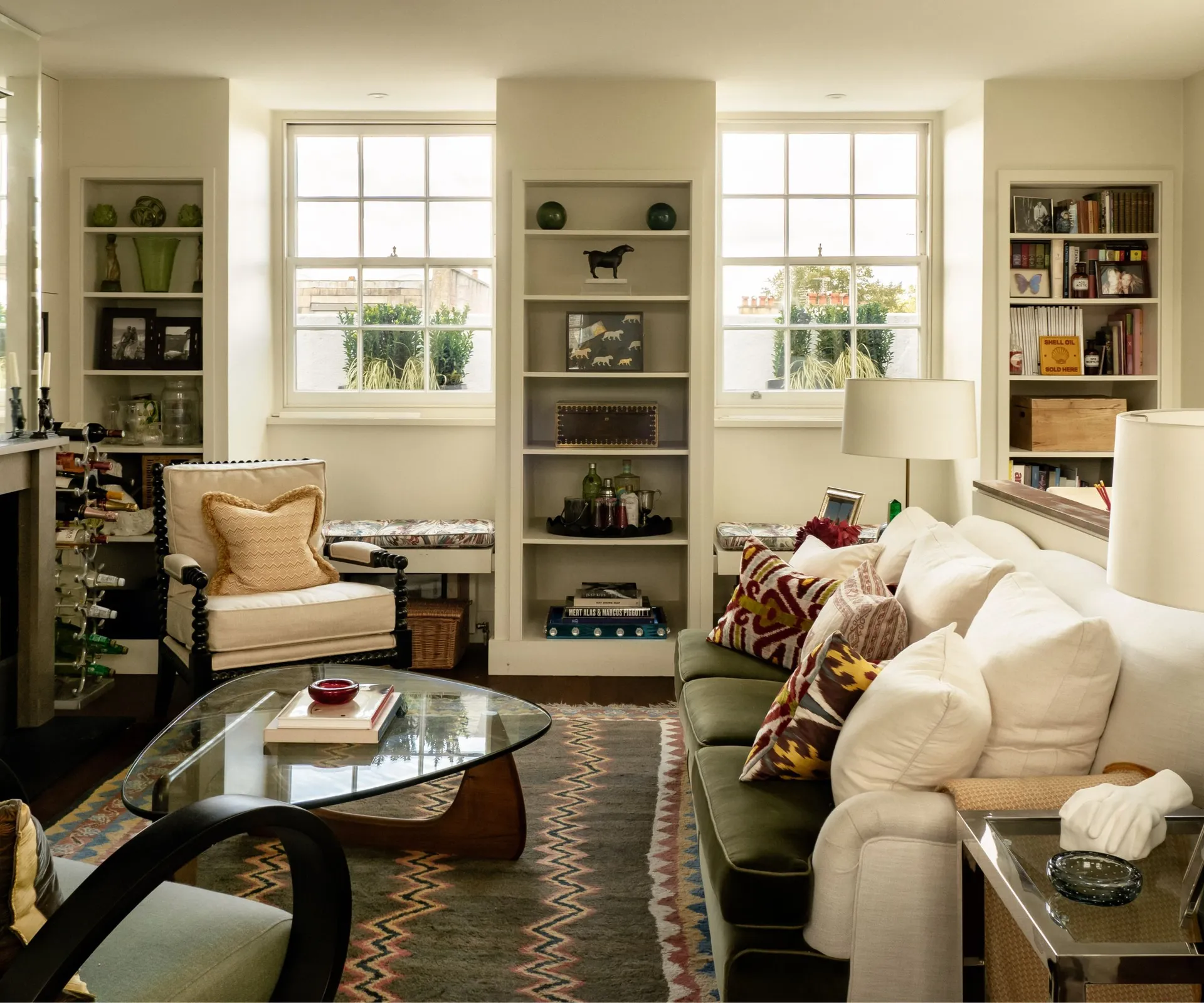
This layered living room showcases how both classic sofa and armchair shapes can still add interest thanks to considered fabric and accessory choices.
‘Very bulbous sofas and furniture pieces where the silhouette is almost more important than the function have become so ubiquitous that they’re beginning to feel tied to a particular moment,’ Hattie Hansard, Director at Joanna Wood, shares. ‘There’s still a place for sculptural furniture, but we’re craving rooms that feel a little less self-conscious and more collected. When every piece is trying to be a statement, a room can feel contrived.'
Her preference moving forward is furniture with strong, elegant proportions and a slightly quieter silhouette. ‘You can introduce personality through beautiful fabrics. A really well-proportioned sofa or armchair will always have longevity because you can completely reinvent it through reupholstery.'
3. Furniture Without a Purpose
‘Furniture without a clear purpose can sometimes feel rather static, particularly as our homes are increasingly expected to work harder for us, accommodating entertaining, relaxing, working, and spending time together,’ interior designer and founder of Pringle & Pringle Sophie Pringle says.
Sophie is increasingly looking for pieces that encourage interaction and have a reason for being there, rather than furniture that simply fills a space. ‘It’s all about choosing furniture that encourages people to actually use a room and spend time together,’ she adds. 'For example, game tables are becoming an increasingly popular living room trend. They create a natural focal point in a room and can be beautiful objects in their own right while also being genuinely functional.'
4. Bouclé
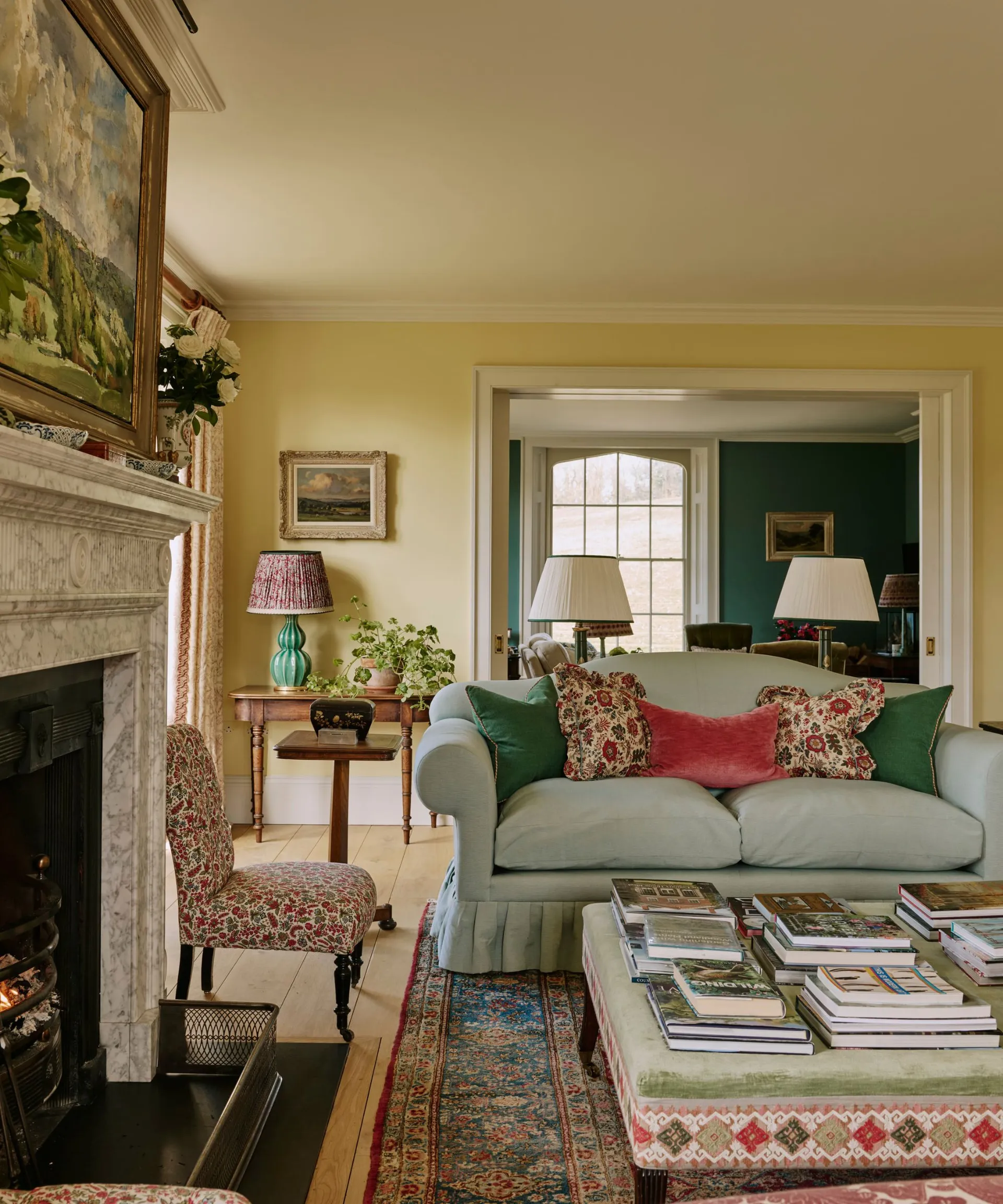
Clever decorative detailing with the sofa skirt and ottoman trim creates a space that feels both fresh and considered.
‘When the same very tactile, ‘bobbly’ sofa or armchair starts appearing everywhere, it can lose some of its impact and begin to feel rather predictable,’ interior designer Octavia Dickinson declares.
While Octavia isn’t dismissing bouclé entirely, she thinks we are moving away from sofas and armchairs where texture is the main event and instead focusing on pieces with more character, craftsmanship, and decorative detail. ‘Choose tailored sofas and armchairs with decorative detailing such as piping, pleating, skirts, contrast fabrics, silks, and beautiful trims. These can all make a piece feel much more considered and individual,’ she suggests.
5. Bobbin Furniture

This dark wood four poster bed brings that sense of individuality while still remaining timeless.
Bobbin furniture was a huge bedroom trend last year, and while it's a classic look that will never technically date, designers warn it is starting to feel a bit overdone. ‘Bobbin furniture has a lovely decorative quality, but we’ve seen a lot of it recently, particularly in new, painted pieces,’ interior designer Rebecca Hughes shares.
Of course, bobbin detailing within furniture can be done well, but Rebecca thinks it works best now when the timber has a rich, natural quality to it – as with Alfred Newall’s work – rather than being painted.
Moving forward, Rebecca is also increasingly drawn to pieces with a quieter individuality. ‘This could be antique or contemporary furniture. I particularly love pieces that showcase beautiful marquetry, bamboo detailing, or simply an elegant silhouette. These are the pieces that give a room a collected, timeless feel.'
6. Overly Perfect Pieces
‘Identical finishes, predictable silhouettes, and pieces designed to look exactly the same from one home to the next can make a space feel more like a showroom than a reflection of the people who live there,’ interior designer Nina Lichtenstein argues, stating that 'perfect' furniture is outdated in 2027.
As more of what surrounds us becomes standardized and digitally produced, Nina is seeing a move toward the opposite in our homes: ‘We’re craving furniture that feels connected to a particular material, maker, or place that brings character to a home that mass-produced pieces often cannot reproduce.’
Whether it’s an antique dining table, a reupholstered armchair, or some handcrafted wooden bookshelves, these pieces can bring the individuality to our homes that so many of us are seeking.
7. Scallop Silhouettes

Subtle curves on the headboard and side table create the right type of tension in this bedroom.
‘Scallops are a lovely way of introducing softness and a decorative edge to furniture, but when a particular shape becomes too widely used, it can start to lose some of its charm,’ interior designer Laura Stephens notes. ‘I think we’re moving toward furniture that feels more considered and characterful, rather than relying on a recognizable decorative motif to make a statement.'
Laura suggests looking for pieces that feel a little unexpected. This could be a slightly unusual curve or wave, an interesting leg, an asymmetric detail, or an unexpected proportion. ‘These shapes have more longevity because they aren’t tied to one particular decorative trend,’ she concludes.
All interior trends are cyclical, and furniture follows this path. Furniture styles disappear, return decades later, and are often reinterpreted in completely new ways. It’s not about constantly replacing your furniture to keep up with new trends, but instead decorating according to your style, investing in pieces you genuinely love, and letting a room evolve over time.
After all, the most successful home isn’t necessarily the one that follows every new trend, but the one that feels authentic to the person who lives there.
Love beautiful design ideas, expert advice, and inspiring decor trends? Sign up for our newsletter and get the latest features delivered straight to your inbox.