How to Create a Butterfly Balcony – Discover What to Plant Now For a Pollinator Haven in a City by Summertime
Considering location, layout and plants will help you make your balcony a butterfly hotspot


You might not think that butterflies like to frequent urban spaces, but gardening experts swear that it is completely possible attract a host of pollinators to your city home, and especially a balcony.
To bring a butterfly balcony garden to life, you'll need to first look into the species found in your local area. Then, plant accordingly using native blooms that are most likely to attract the types of butterflies you've identified.
It's also important to consider the layout of your balcony; it's best to focus on the sunniest spots, since most pollinator plants thrive in full sun. And, of course, opt for a variety of flowers – although it varies according to region and climate, species including lantana, aster, milkweed and zinnias are all beloved by butterflies. Ready to create a thriving butterfly balcony this spring and summer? We asked experts for their best advice.
1. Research Local Butterfly Species

Every balcony wildlife garden is different, and it all starts with the type of pollinators that are native to your local area.
'There are thousands of different butterfly varieties across the country, and they’re all unique,' explains Steven Corcoran, CEO of Lawn Love. 'With this in mind, you'll want to learn about the kinds near you so that you can strategically choose plants that will attract and support them best.'
There are, however, certain species you can look out for as spring gets underway.
'During spring, we see early migration back into the United States from Painted Lady and Admiral Butterflies,' says David Burrows, Founder & Managing Director of Arkearth.org. 'Also, during spring and fall, you may see Monarchs. Other varieties include Swallowtail, Buckeye, and Cabbage White butterflies.'

Steven Corcoran is the CEO at Lawn Love, a lawn care firm based in Austin, Texas. The service matches customers with professionals who can provide yard maintenance, mowing, and specialty services like aeration, fertilizing and gutter cleaning.

David Burrows is the Founder & Managing Director at Arkearth.org, a non-profit launched in 2021. Arkearth is focused on saving pollinators including bees, butterflies and bats. The team works with homeowners, community gardens, schools and urban farms to conserve ecosystems while providing nature-based learning experiences and helping to naturally increase crop output.
2. Plan Your Balcony Layout
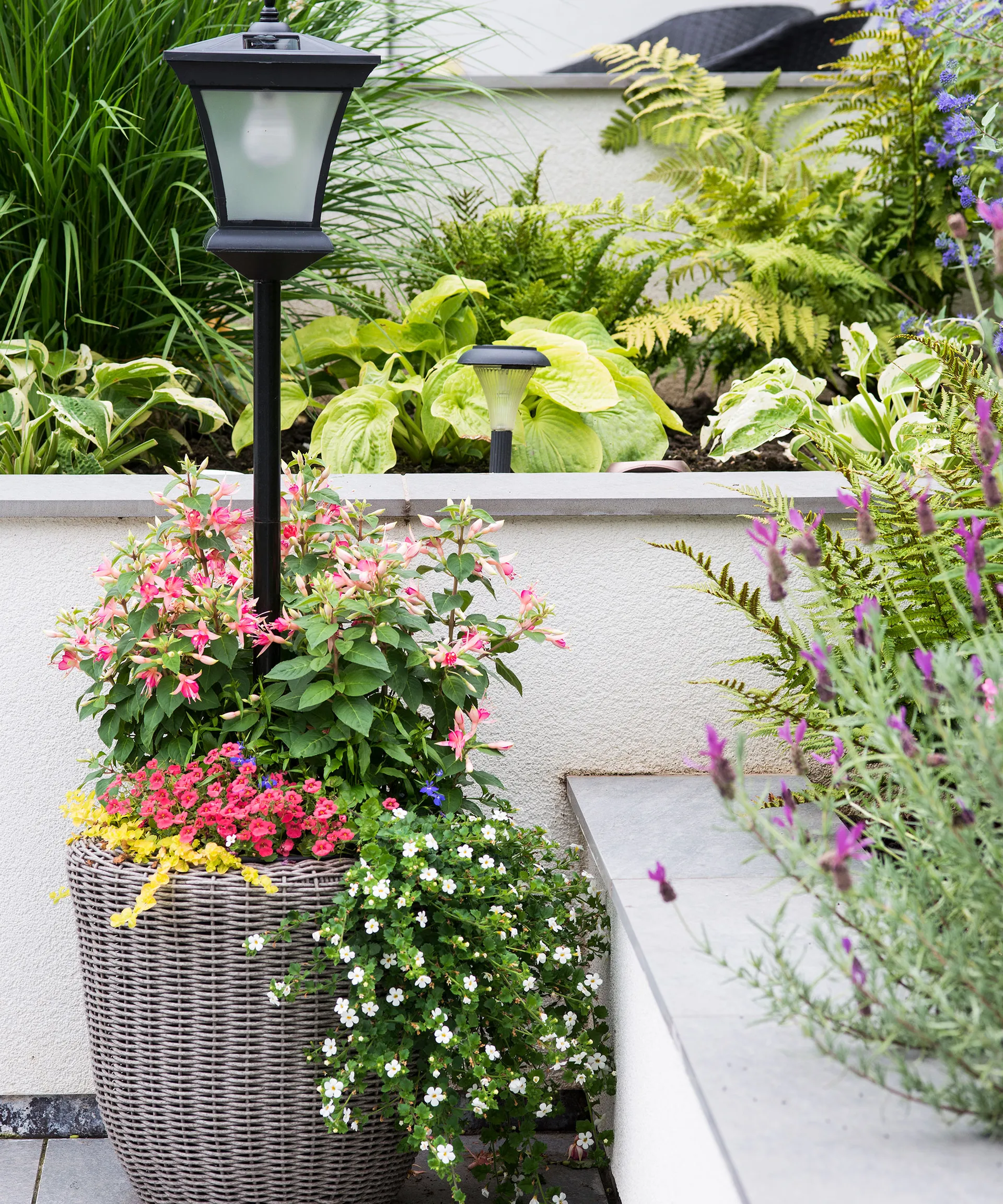
Naturally, there are a few practicalities to consider when it comes to urban gardening, and light is perhaps the most important.
No matter the size of your balcony, you'll want to ensure that your pots and containers can soak up plenty of sun.
'The ideal balcony setup features western to southern sun exposure,' says David. 'Most pollinator plants should do well if they receive at least 5 hours of sunlight, even if there’s some shade in the morning or late afternoon.'
3. Select the Correct Containers

Most city balconies aren't exactly sprawling spaces, so it's also wise to select the containers that suit both your chosen plants and your square footage.
'I would recommend using clay or plastic pots, rectangular planters, and hanging planters,' says David. 'Potted flowering plants do best in 10-inch or bigger containers featuring a bottom reservoir to catch runoff water.'
Looking for inspiration? Start with classic terracotta pots, like this one from Walmart and add a portable raised garden bed, like this one from Home Depot, if you have the space. (And if you're hunting for a hanging planter, IKEA's CHILISTRÅN planter is a stylish but budget-friendly option.)
4. Choose Your Plants Carefully

Once the planning is complete, you'll be ready for the best part: choosing your plants.
According to experts, there are two main categories to consider: nectar plants and host plants.
'Nectar plants are what will feed butterflies, and host plants are where they can lay their eggs and where growing larvae can have a food source,' explains Steven.
'It’s also important to grow a handful of different types of flowers, especially within the nectar category. Different colors and heights help attract more butterflies and provide more food for them.'
David notes that some of the best plant species to attract butterflies include 'coneflower, lantana, zinnias, milkweed, aster, marigold, cosmos, beebalm, black-eyed Susan, and foxglove,' with 'the majority of blooming varieties preferring full sun'. (You can find Showy Milkweed from Burpee and Cut & Come Again Zinnia seeds also from Burpee, plus plenty of other flower options.)
With sunnier days on the horizon, it's a good idea to find plants that will flower all season – and save space for some early-blooming varieties, too.
'Try to select plants that will bloom from early spring into the late fall, when migrating butterflies return on their way to warmer climates,' adds David. 'You can also purchase plants that are in early bloom cycles to provide butterflies with immediate pollen and nectar.'
5. Add Some Enticing Finishing Touches

Plants aren't the only garden feature that you can rely on to attract butterflies; in fact, there are many other ways to entice them to visit your balcony.
If you have the space, try setting out a butterfly puddling station: a mixture of sand, compost and water, which butterflies love to drink.
'Add some mashed-up bananas to rot and ferment and you’ve created the perfect butterfly smoothie,' notes David.
Another helpful (and whimsical) touch? 'Wooden pollinator houses,' says David. 'They are great for shelter and they provide an attractive visual to your flowering project. Look for houses featuring long narrow slits which naturally attract butterflies and hummingbird moths.' (You can pick up a rather handsome 'pollination palace' for just $25 at Williams Sonoma.)
What to Shop

This seed blend includes an array of flowers such as zinnias, cosmos and milkweed. Give it plenty of moisture; investing in a moisture meter (like this one from Amazon) is ideal.

IKEA has plenty of gems for small-space gardening; the ASKHOLMEN flower box is a great raised bed idea, but if you want to create a vertical garden, this plant shelf is your best bet.

Flowers might be the most crucial part of your butterfly garden, but it still needs to look stylish – which is where pots like this one come in. The checkerboard design is timeless.
If your city home isn't blessed with huge amounts of sunlight, you can still create a vibrant garden: check out our guide to the best plants for a shaded balcony.
And if you love inspiring garden ideas, outdoor advice, and the latest news, sign up for our newsletter and get the latest features delivered straight to your inbox.
