These 7 Plants Might Look Messy in October, but Resist Cutting Back Until Spring and Your Backyard Will Thank You
Experts say leaving them alone will help winter wildlife and encourage a healthy return next year

As the garden fades in fall, it can be tempting to take a pair of pruning shears to everything and tidy up your yard's appearance. But, cutting back the wrong plants now can be detrimental.
While pruning plants in October is a key part of getting your garden ready for winter, there are some perennials that benefit from looking messy now and only being trimmed in spring. This includes the plants with seed heads and hollow stems that support wildlife, as well as those that gain some insulation and cover from faded plant material. Removing stems could leave their crown and roots exposed to frost, potentially killing off the plant.
It can be tricky to judge which plants to leave alone this month, so I turned to the gardening experts for help. Here, they share seven plants to never cut back in October – though it is still worth getting your fall gardening tools ready for other jobs this season, like this bulb planter tool from Amazon.
Sedum
One of the main reasons to not over-tidy your yard in fall is to avoid removing essential shelter and food sources for wildlife.
'My practice is to hold off on any spring clean-up and plant cutbacks until spring temperatures have been above 50 degrees for a week. This ensures any overwintering pollinators have emerged from their hibernation space,' says Shannon Barnette, horticulture expert from The Dawes Arboretum.
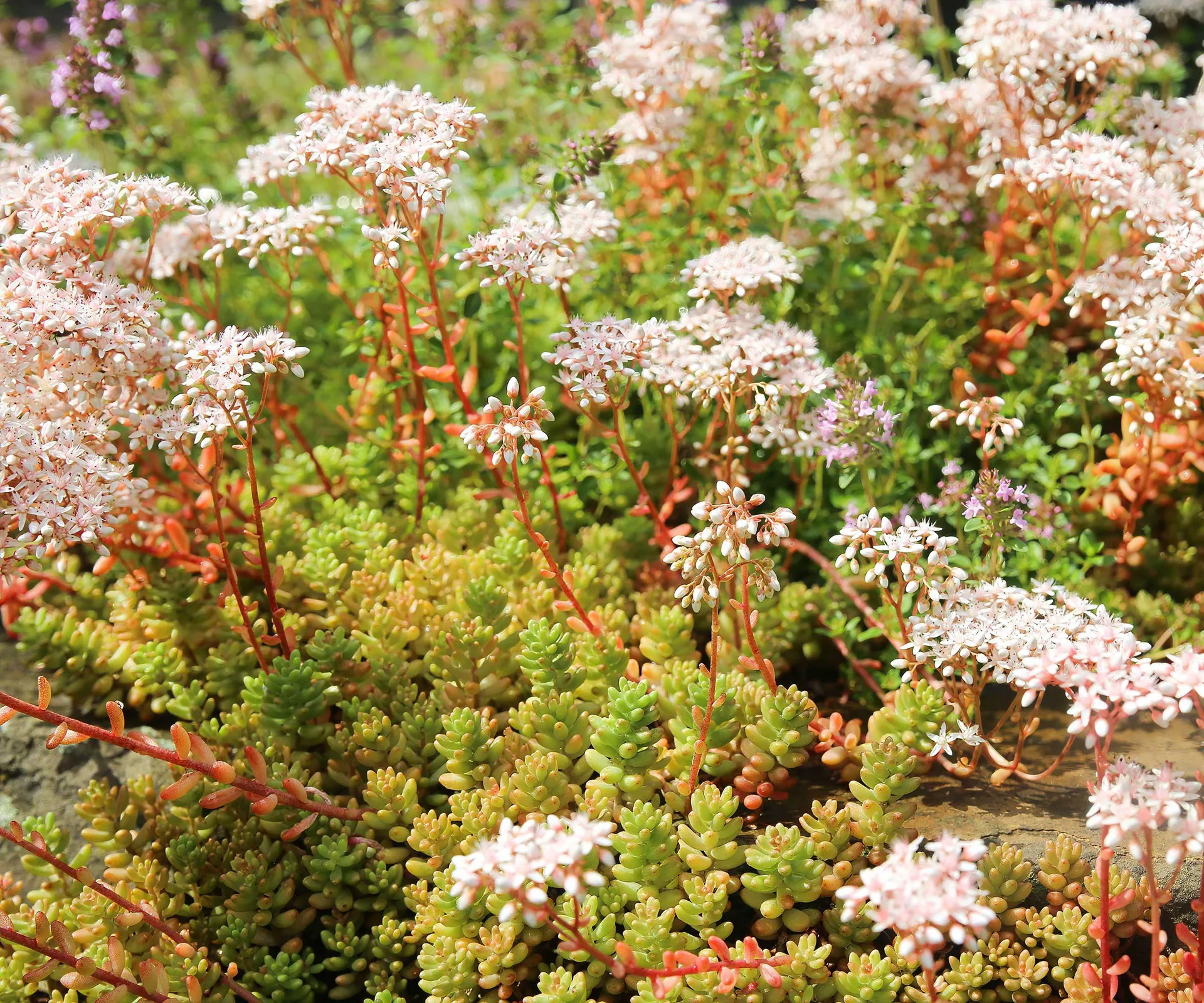
Sedum is one of the perennials to not cut back in fall for wildlife that Shannon recommends.
'Holding off on cutting back can protect the crown of the plant from harsh winter temperatures, as well as late spring frosts that could damage new plant tissues,' she advises.
Hardy across USDA zones 3-9, Shannon notes not much winterizing is needed for sedum. In fact, you should avoid mulching sedum as it can trap excess moisture and rot the crown and roots.

Shannon Barnette is the Horticulture Manager for The Dawes Arboretum in Newark, Ohio. She is an Ohio Certified Nursery Technician in Landscape through the Ohio Green Industry Association, as well as a Certified Permaculture Designer with the Permaculture Institute of North America. She also specializes in Japanese Gardening techniques and maintains the Arboretum's Bonsai Collection. Shannon has spent over 15 years in the green industry, also having experience in organic farming and production growing. Shannon has been with The Dawes Arboretum since 2022 and studied Natural Resources and Sustainable Plant Systems at The Ohio State University.
Ornamental Grasses
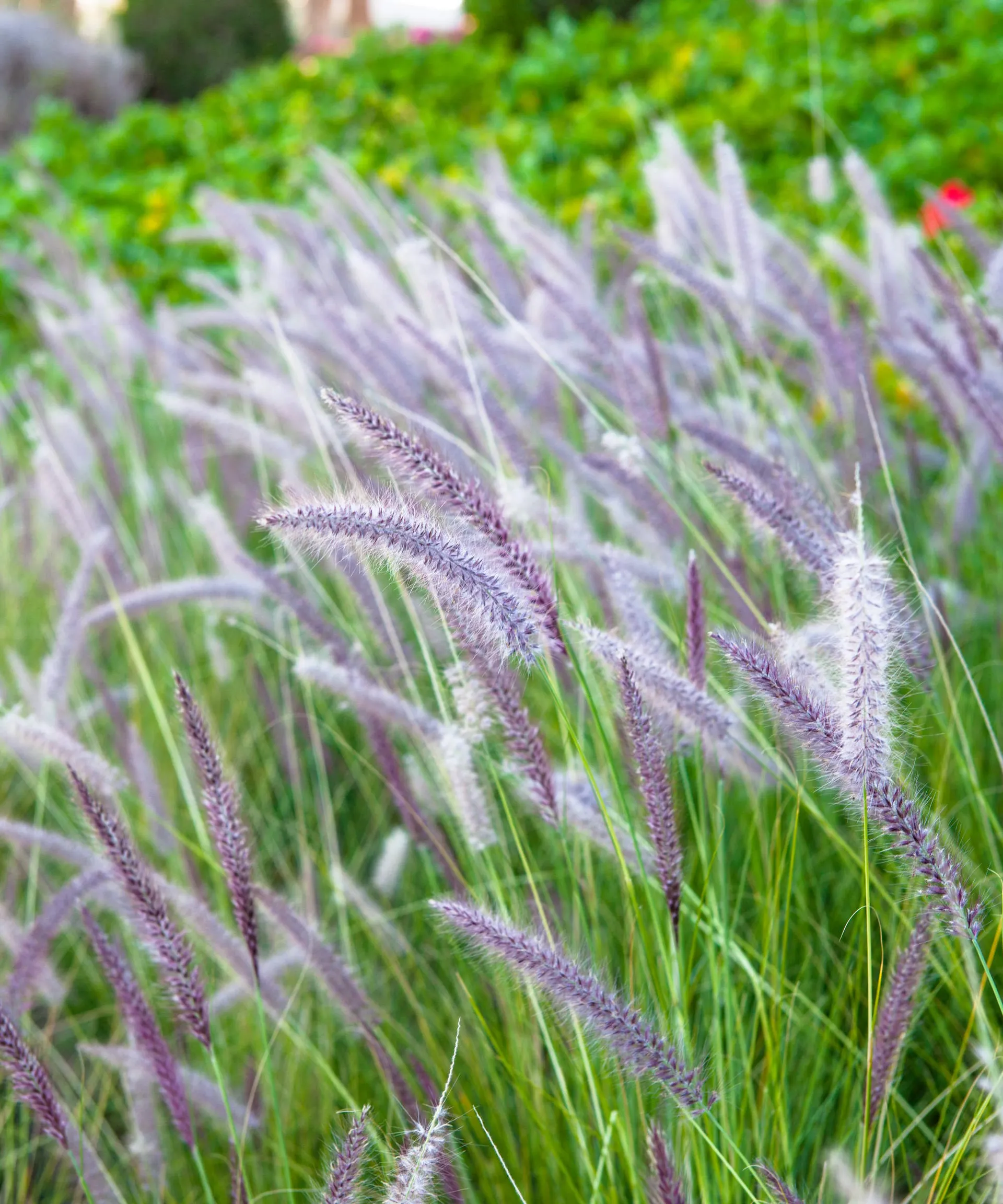
When it comes to ornamental grasses, garden designer Lee Miller says to leave them be over winter.
'Cutting back ornamental grasses in fall can subject the center of the plant to freezing temperatures and snow, causing the crown to hollow out,' Lee explains.
'To protect the plant, it's best to cut back ornamental grasses in late March or early April once the threat of frost is gone and before new growth appears. Leaving these grasses throughout the wintertime can also provide interest to the landscape,' she adds.
While not always necessary, some ornamental grasses can benefit from a light layer of fall mulching materials. You can use fallen leaves or this brown mulch from Lowe's. This will regulate soil temperature, suppress weeds around the plant, and help roots retain moisture.
It is best, however, to do some research around the specific winter needs of your ornamental grass.

Lee Miller is a landscape/garden designer, consultant, garden coach, speaker, and award-winning garden blog author from the south shore of Long Island, who has been involved in the horticultural industry for over 29 years. She is the author of six gardening books, including her most recent addition, The Houseplant Guide: How to Easily Select & Maintain Indoor Plants. Lee is also a National Garden Bureau Member.
Coneflowers

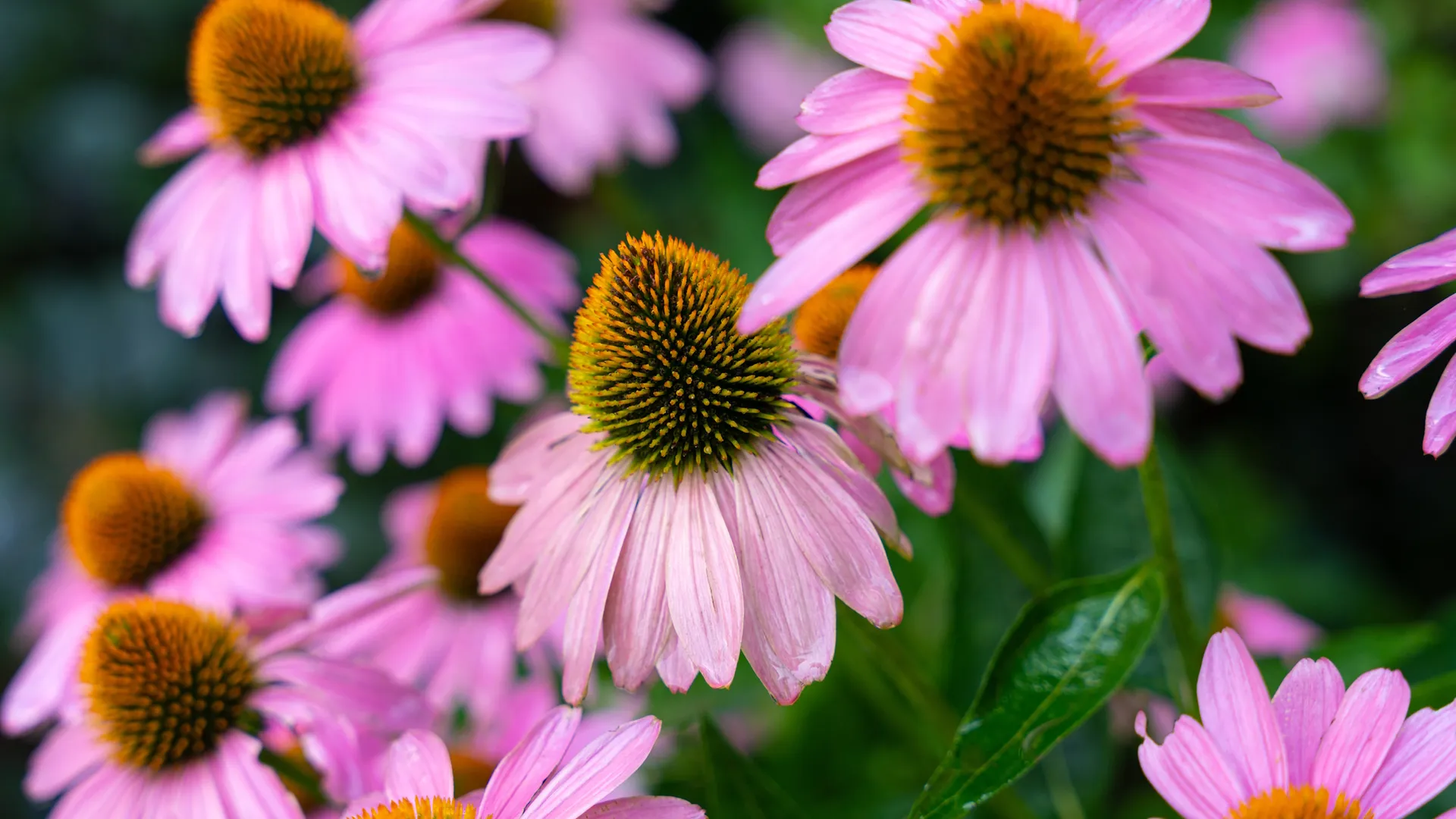
If you want to help feed garden birds in winter, coneflower (echinacea) is one of the best plants to grow. It's a plant for seed heads that many birds like to feed from.
This includes goldfinches, chickadees, and juncos. The hollow stems of faded coneflowers also supports overwintering pollinators with shelter
'Because these plants evolved alongside native pollinators, they are not only used as a food source, but also as a habitat during winter months,' Shannon says.
The good news is coneflower, which is hardy across USDA zone 3-9, doesn't need much winter protection. Though, you can follow some steps to winterize coneflowers as a precaution if you live in a colder clime.
If you have potted coneflower plants, it can be useful to relocate them to a sheltered position or wrap them with burlap (which is available from Amazon) to protect roots from freezing temperatures.
Lilyturf

Lee also notes one the plants to never cut back in October is lilyturf, also known as monkey grass or Liriope.
'It's an attractive perennial with delicate grass-like variegated or green foliage and purple blooms in fall which can be also be affected by prolonged freezing temperatures, in turn causing damage to the crown of the plant,' says Lee.
'It is best to leave Liriope intact over the winter months and to avoid pruning until early spring when first signs of new growth appear. When you see the first signs of growth in spring, rejuvenate Liriope by cutting the plant back to one or two inches above the ground,' Lee advises.
When it is time to cut back monkey grass, use essential pruning tools like these hedge shears from Lowe's to make clean cuts.
Joe Pye Weed

Another plant to leave for winter wildlife is Joe Pye weed.
Flowering through summer, Joe Pye weed is a great plant and nectar source for pollinators. After blooming, the dried seed heads and hollow stems provide continue to support beneficial insects by providing shelter.
By attracting lots of insects, it also helps feed insect-eating birds.
You can wait until early spring to cut Joe Pye weed back to a 4-8 inches above the ground before new shoots emerge.
In fall, however, you can remove any damaged and diseased stems. This will protect next year's growth by reducing the risk of overwintering fungal diseases, like powdery mildew.
Black-Eyed Susans

Rudbeckia, or black-eyed Susan, is another native plant that produces seed heads to feel birds in winter. In particular, goldfinches and sparrows enjoy its seeds.
The faded stems also provide some cover and insulation over the plant's crown. Meanwhile, the seed heads look sculptural when dusted in frost in the winter garden.
Of course, you should remove any diseased black-eyed Susan stems before winter. You can use these Fiskars bypass pruning shears from Amazon.
In early spring, cut back black-eyed Susans down to 2-4 inches above the ground, just before new growth emerges.
Hydrangeas

As a general rule, you should avoid hard pruning hydrangeas in fall.
While you can safely remove old heads from panicle and smooth hydrangeas (which bloom on new wood) there is a risk of encouraging soft new growth that will experience frost damage. That's why many gardeners choose to wait until spring.
Likewise, bigleaf, mountain, and oakleaf hydrangeas shouldn't be pruned in fall because they bloom on old wood and you risk removing next year's buds.
Leaving faded hydrangea heads can also look beautiful through winter, and provide some coverage for tender new buds for the old wood varieties.
When you do prune hydrangeas in early spring, make sure to note the needs of your particular hydrangea. Our guides to how to prune panicle hydrangeas and how to prune Annabelle hydrangeas has more information to help you avoid mistakes that could cost you next year's blooms.
Bypass pruning shears (like the Felco F2 pruners from Amazon) are a good choice for tending to these shrubs.
What to Shop
While you can avoid pruning these plants this month, there are plenty of plants to prune in October. This will help get them ready for winter and frosty conditions. Just take care to clean your gardening tools in between use to reduce the risk of pests and diseases spreading.
If you love inspiring garden ideas, outdoor advice, and the latest news, why not sign up for our newsletter and get the latest features delivered straight to your inbox?
