Propagate These 7 Garden Favorites Now for Free Plants – Before the Spring Window Closes
Get more from your garden with the best plants to propagate in April before the season slips away


If you want more plants without spending more money, April is your moment. The soil is warming, sap is rising, and a surprising number of garden favorites are poised, almost impatient, to root from cuttings. Miss this brief, generous window and you’ll find yourself paying for plants you could easily have made for free.
This is the sweet spot in temperate zones (roughly USDA 5–9): growth is soft, energy is high, and the stress of summer heat hasn’t yet arrived. Cuttings taken now root faster, establish stronger, and give you a head start on filling beds, borders, and containers before the season gallops away.
And while you’re thinking about what to plant in April, it’s worth remembering that propagation is simply planting’s thrifty cousin, quieter, perhaps, but every bit as productive.
1. Geranium (Pelargonium x hortorum)

There is something delightfully old-fashioned about geraniums, as though they belong on a sunny porch with a pitcher of something cold. Fortunately, they are as obliging as they are cheerful.
April is perfect for taking cuttings from overwintered plants or early nursery purchases. Choose sturdy, non-flowering stems, about 3–5 inches long and remove the lower leaves. Let the cut end dry for a few hours (geraniums dislike rushing), then insert into a light potting mix.
They root quickly in warm conditions, particularly in temperate regions where spring days are mild but bright. If you’re working within an urban garden, this is an easy way to fill multiple pots without multiplying your expenses.
A reliable potting mix - something airy and free-draining, like this Miracle-Gro Organic Outdoor Potting Mix from Amazon will give them the best start.
2. Japanese Maple (Acer palmatum)

Now, this is where propagation becomes slightly more ambitious and infinitely more satisfying. Japanese maples are not the easiest, but April offers one of the best chances for success with softwood cuttings.
Select young, flexible shoots just as leaves have fully opened. Cuttings should be about 4-6 inches long. Remove the lower leaves and dip the base in rooting hormone before placing into a sterile, well-draining mix.
Patience is required. These are not coleus; they do not leap into life overnight. But given time and a sheltered, humid environment, they will root.
If you’re looking for a suitable tree for a small backyard, a home-propagated Japanese maple offers structure, elegance, and the quiet sense of achievement of having grown something rather special yourself.
3. Basil (Ocimum basilicum)

Basil is less a plant and more a lifestyle choice; sun, warmth, and an alarming tendency to grow faster than you can eat it.
April is ideal for starting basil cuttings indoors or in warmer zones outdoors. Simply snip a healthy stem just below a node and place it in water. Within a week, roots will begin to appear.
Once established, pot them up and keep them somewhere bright. Basil thrives in warmth, so if your nights are still chilly, keep it indoors or under protection.
For anyone planning kitchen gardens, this is one of the easiest and most rewarding plants to propagate. One plant can quickly become a small forest of fragrant leaves.
A gentle feed, like this Neptune's liquid fertilizer from Burpee, will keep growth lush and continuous.
4. Dogwood (Cornus alba)

Dogwoods are often admired for their winter stems, but April is when they quietly prepare for multiplication.
Softwood cuttings taken now root more readily than later hardwood attempts. Choose young shoots, remove the lower leaves, and insert into moist compost. A humidity dome such as this option from Amazon, or simple plastic covering helps retain moisture while roots form.
Dogwoods are particularly useful if you’re developing landscaping ideas with year-round interest. Propagating now means you can build drifts of color in red, yellow, or coral stems without the cost of buying multiple shrubs.
They are forgiving plants, tolerant of a range of soils, though they prefer consistent moisture while establishing.
5. Sweet Potato Vine (Ipomoea batatas)

This is a plant that seems to exist purely to prove how easy propagation can be. Often grown for its trailing foliage in containers, sweet potato vine roots readily from cuttings in water. Snip a length of stem, remove the lower leaves, and submerge a node in water. Roots appear with almost indecent speed.
April is ideal, particularly as you begin assembling your summer containers. One plant can be turned into many within weeks, allowing for generous, cascading displays.
If you’re refreshing your patio or exploring hanging basket ideas, this plant provides volume and drama with minimal effort.
A simple glass jar on a sunny windowsill is all you need to get started, no fancy equipment required.
6. Salvia (Salvia nemorosa)
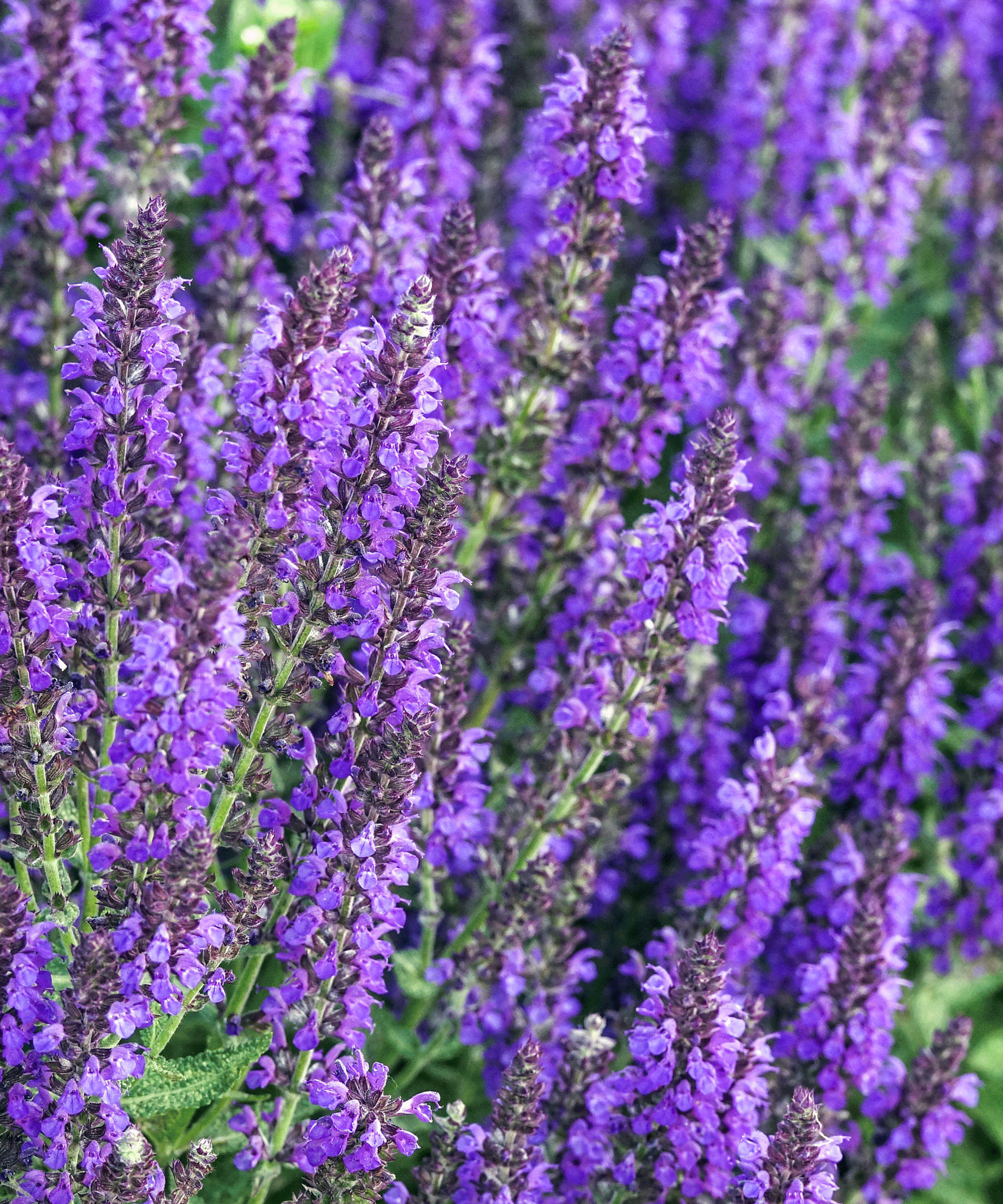
Not to be confused with culinary sage (which we are avoiding this month), ornamental salvias are a completely different proposition; upright, floriferous, and adored by pollinators.
April is the moment for basal cuttings - those fresh shoots emerging at the base of the plant. These are vigorous and root readily when placed in a free-draining mix.
Salvias are excellent for sunny borders in temperate zones, particularly in areas with well-drained soil. If you’re building a pollinator-friendly planting scheme, they are indispensable.
Propagation now means you can create generous drifts of color without the usual expense. And frankly, more salvias means more bees, which is always a good thing.
This heated propagation kit with grow light from Amazon helps keep things organized if you’re taking multiple cuttings.
7. Boxwood (Buxus sempervirens)

Boxwood is not glamorous, but it is essential. Structure, formality, and the quiet backbone of many a well-designed yard.
April softwood cuttings root more quickly than the tougher material taken later in the year. Take short lengths of new growth, strip the lower leaves, and insert into a gritty, well-drained mix.
They do require patience, boxwood is not in a hurry, but the reward is a supply of plants for hedging, edging, or topiary at a fraction of the cost.
If you’re considering more formal cottage garden ideas or neat borders, propagating your own boxwood is both economical and oddly satisfying.
Keep them in a sheltered spot with consistent moisture, and resist the urge to check for roots too often. Boxwood prefers quiet determination over fuss.
Essential Tools For April Propagation

Propagation is not complicated, but it does reward preparation. A few well-chosen tools can make the difference between success and quiet disappointment.
You’ll need sharp pruners for clean cuts - something reliable like these Corona Classic Cut Bypass Pruners from Ace Hardware along with a light, organic potting mix from Burpee and coco fibre plant pots from True Leaf Market.
Humidity is often the missing ingredient. A simple propagator humidity dome from Amazon lid or even a loosely placed plastic covering can dramatically improve success rates, particularly for more delicate cuttings like Japanese maple or dogwood.
And labels - never underestimate labels. These biodegradable wooden labels from Amazon are a great option. In the optimistic chaos of spring, everything looks the same after a week.
April sits at a very particular intersection in the gardening calendar. Growth is active but not frantic. Temperatures are forgiving. Light levels are increasing but not yet harsh.
Cuttings taken now benefit from all of this. They root into a world that is becoming more hospitable by the day, rather than one sliding into the stress of summer heat.
By early summer, your cuttings will be established young plants, ready to move into the yard, fill containers, or simply stand as proof that you’ve managed to outwit the garden center.
Propagation, at its heart, is an act of quiet optimism. A small cut, a bit of soil, and the expectation that something will grow. In April, that expectation is very often rewarded.
Love inspiring garden ideas, outdoor advice, and the latest news? Sign up for our newsletter and get the latest features delivered straight to your inbox.
