5 Designer Tricks That Make a New Garden Look Established by Summer – In Time for Summer Hosting
The quickest ways to fill, style and finish a bare plot


By now you've probably seen those AI-generated videos of bare, newly built yards transformed into lush, layered gardens seemingly overnight. They're satisfying to watch – but for anyone starting with little more than a patch of lawn and some empty beds, that reality can feel a long way off.
If you're wondering how to make a new garden look established for summer, the good news is that late spring is one of the best possible moments to start. Soil is warming up, plants establish quickly, and garden centers are at peak stock. With the right approach – and a few well chosen garden ideas – a bare garden planted now can look and feel genuinely transformed by midsummer. It's a simple matter of knowing where to focus your energy.
To find out how to make the biggest impact in a short space of time, I spoke to a garden designer and plant expert. Their advice comes down to three key principles: starting with the right plants, designing with intent, and finishing with the kind of personal touches that make a garden feel like it has a story to tell. If your plot is already partially established, these easy design tweaks can also help transform it quickly.
Start With The Bones, Not The Details

Before reaching for plants, the foundation matters more than most people realise. 'The foundation and bones of the garden is key to giving it that established look,' says Laura Janney, CEO of The Inspired Garden Masterclass. 'Look for plants that are full and fill out quickly, and opt for the largest size available that your budget allows.'
That means visiting your local garden center or nursery in person, rather than shopping online where possible – being able to shop for size, shape and fullness makes a noticeable difference.
Before investing in larger specimens, it's worth checking your US hardiness zone to make sure your chosen plants will thrive long term. A mature olive or bay, for instance, won't survive winter in cooler northern regions.
Look for established shrubs, ornamental grasses, or fast-growing trees that add height and structure – though bear in mind that ground-level fullness will take a little longer to follow. A mature tulip poplar, like this one from Fast Growing Trees, can bring immediate height from day one.
Once your plants are chosen, avoid leaving visible gaps between them – it's a tell-tale sign a garden has just been installed. 'When you see lots of space between the plantings, it feels like the garden just got put in,' adds Laura. 'Make sure to read your tags and install your plants as close as it allows for a full look.'
Plant as closely as labels allow, and layer heights from back to front to create the depth and density of a more mature border. It's one of several simple design tweaks that can make a garden look professionally styled.

Laura Janney is a renowned landscape architect and designer, and CEO of The Inspired Garden Masterclass. She won the Houzz Best in Design award in 2023 for her work in the New York area. Driven by the belief that flowers feed the soul, Laura sees gardens as more than simply outdoor spaces – they are living, breathing sanctuaries that awaken the senses.
Lean on Annuals For Instant Impact

If you're wondering how to make a new garden look established in a short period of time, it's easy to assume fast-growing plants are the answer. In reality, they aren't always created equal.
'Fast-growing plants aren't always the best choice for quickly establishing a garden's look,' points out Jessica Mercer, plant expert at Plant Addicts. 'Some put on a lot of growth but still look sparse for a while.'
This is where annuals earn their place. Perennials are the backbone of any garden, but they take time to establish, and as Laura points out, they don't all bloom at once.
'Perennials are wonderful, but they all bloom at different times. Annuals provide continuous color in between.'
So which annuals deliver that instant fullness? Jessica recommends focusing on fast growing annuals for late spring planting. 'I would start with flowering annuals and strong foliage plants.
'Good choices include petunias, begonias, marigolds, zinnias, angelonia, coleus, sweet potato vine, and compact ornamental grasses, which provide quick bulk and color by June.'
If space allows, Jessica suggests adding a few larger anchor elements – patio dahlias, cannas, or a blooming shrub – to give the scheme structure and height. You'll find a strong selection of live annual plants at Burpee, or browse ready-to-plant packs at Amazon if you need something delivered quickly.
It's also worth knowing what to avoid. Wildflower mixes, despite their appeal, rarely produce a polished border within weeks. And however tempting it is to pack in large nursery plants for instant coverage, crowded roots compete for resources, which can leave planting look strained within a season.

Jessica Mercer, PhD, is the Senior Content Marketing Coordinator and plant expert for Plant Addicts. As a 'plant collector', Jessica enjoys growing many different plants and learning about the best cultural practices for each. Writing for Plant Addicts is a real joy for her, as she can use her science background to research interesting plant topics. She carefully considers how to best present the information to other gardeners, with a focus on sustainability and the environment
Be Strategic With Your Budget

When budget is limited, impact comes down to how you distribute it. Jessica favors coverage: 'Several smaller plants usually give a better result than one oversized specimen,' she says. 'Smaller, younger plants can cover more ground, settle in faster, and make the bed look more balanced.'
Her compromise is smart. 'Splurge on one anchor plant near an entry or seating area, and use smaller plants to fill around it.' A container-grown Meyer Lemon tree from Fast Growing Trees makes an immediate statement, and rewards you with fruit too.
Laura takes a spatial approach. 'Work with small spaces – it gives the most impact. Pick one area and do it right, versus spreading plants everywhere. If I have to pick one space, it’s the entranceway. That is where the eye goes first and will make the biggest difference.' A few well-chosen front yard landscaping ideas are worth exploring before you plant.
Get The Ground Right Before You Plant
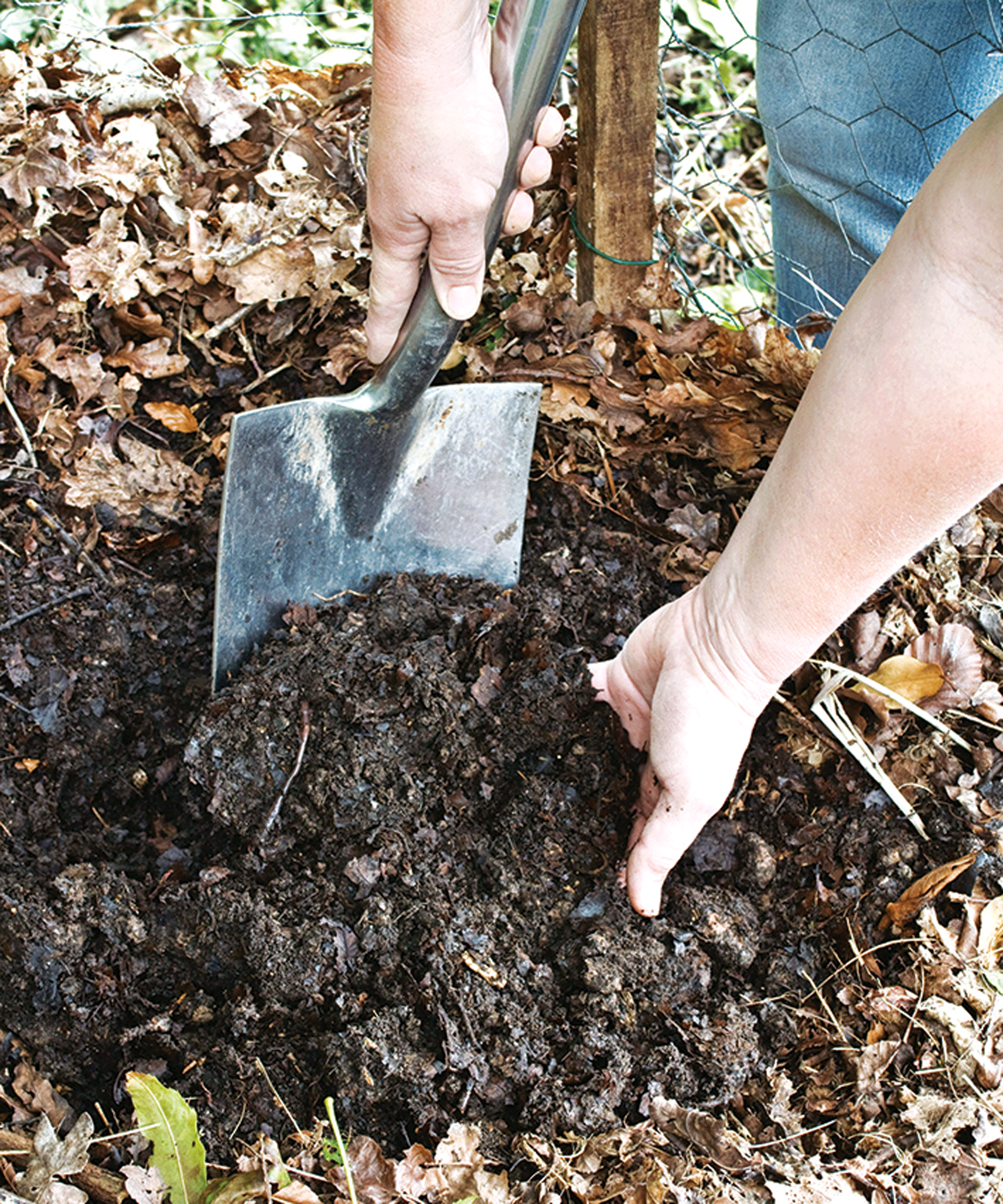
However tempting it is to plant straight away, a small amount of groundwork will pay off quickly. 'Loosen compacted ground and mix in compost to improve soil texture, nutrient content, and water absorption,' says Jessica. Something like this Miracle Gro All-Purpose Garden Soil from Amazon will do the trick.
'Water deeply right after planting, and continue with deep soaks to keep the soil evenly moist for the first few weeks,' adds Jessica.
Jessica also advises deadheading annuals, feeding containers regularly, and removing spent or damaged growth to help a new planting fill out faster and maintain a tidy look.
Mulching is equally important. Not only does it help to retain moisture and regulate soil temperature, it also gives beds an immediate sense of cohesion, disguising bare patches while planting fills in.
Use Accessories To Create Instant Character

The final layer is often the most overlooked – but arguably the most transformative.
'We love garden décor and accessories – all of those personal touches are what make a garden so special,' says Laura. 'Use distressed accents to instantly make a garden feel like it’s been there forever. Examples include benches, bird baths, chairs and sculptures.'
A weathered stone birdbath or aged iron bench can do more to suggest permanence than new planters alone. Adding a simple seating area, which can be softened with a rug, cushions, and lanterns, can help the space feel complete, even while planting is still establishing. There are plenty of garden decorating ideas that won't break the budget.
Position furniture to draw the eye toward finished areas, and use pots to frame key views or soften any remaining gaps.
Shop Garden Accessories

This antique white wrought iron bench adds the kind of weathered character that makes a new garden feel lived-in rather than newly planted.

This classic black matte lantern adds an instant sense of permanence to a new garden – the kind of traditional detail that makes a new planted space feel considered and complete.

A stone-effect composite birdbath on a classical pedestal is one of the fastest ways to add sculptural character to a bare garden, and will attract wildlife from day one.
A new garden planted thoughtfully in late spring can look genuinely at home by midsummer – and will only get better from there.
If you love inspiring garden ideas, outdoor advice, and the latest news, sign up for our newsletter and get the latest features delivered straight to your inbox.
