Households Urged to Use This 84¢ Natural Item on Bedroom Windowsills – It’s the Fast, Budget Fix for Window Mold in Winter
You already have it in your pantry


Spotting condensation on bedroom windows first thing every morning is a given in winter. It might not seem like a big deal, but left untreated, it can damage paint, trigger allergies, and make rooms feel perpetually damp.
Luckily, there is one simple 84-cent fix you likely already have in your pantry. No, not vinegar for a change, but salt.
This budget-friendly fix is perfect in a pinch (if you'll excuse the pun). Here's why the experts recommend it to quickly prevent mold and what they suggest replacing it with in the long term.
How Salt Can Stop Window Condensation
Bedrooms are hotspots for damp in winter as we exhale moisture with every deep breath. While the best fix will always be improving ventilation and investing in one of the best dehumidifiers, it is often too cold for open windows, and mechanical tools can be pricey or too loud to sleep alongside comfortably.
The silent, quick, and far more affordable option is to use a small bowl of salt, available for under $1 from Walmart, on window ledges to absorb the moisture instead, stopping condensation from dripping down windows and potentially causing mold on walls and seals.
This DIY dehumidifier is so effective because salt is hygroscopic, explains Martyn Fowler, founder of Elite Renewables, 'which basically means that it naturally draws moisture from the air.'
He continues. 'If you place salt on a windowsill, it will soak up some of the condensation that would otherwise collect on the cold glass. That’s how salt prevents condensation in theory.'
Of all the ways to stop condensation on windows overnight, salt is by far the quickest and most affordable. However, as with other natural remedies, it is not the most efficient in the long term.
As Martyn warns, 'The issue is that salt can only hold so much water before becoming saturated. In a damp or poorly ventilated room, it’s just not going to keep up with the amount of moisture. It’s also not dealing with the root cause of the condensation, which is warm, moist air hitting cold surfaces.'
While you can use tricks such as a window vac to beat condensation (we love the Karcher 1 Plus Window Vac from QVC), the real trick is to prevent moisture from accumulating in the first place. Something as simple as sleeping with your bedroom door open can help to improve ventilation and reduce the amount of trapped moisture while simultaneously improving air quality.
For a long-term fix that will also improve your home, Alan Bernau Jr., owner and building design expert at Alan's Factory Outlet, suggests checking your window frames and replacing old frames as needed, or implementing extractors or dehumidifiers.
'Older homes with wooden-framed windows and or construction are typically the most susceptible to this type of damage because the wood will warp or crack due to absorbing moisture,' he explains. 'To prevent condensation from occurring in the future, consider replacing or upgrading the wooden frames with more durable materials, such as steel or aluminum frames.'
It can also be helpful, he adds, to set your thermostat to the perfect temperature to curb mold to balance moisture in the air. Using a smart thermostat can help with this, ensuring that your home remains at a consistent temperature.
What to Shop

Salt absorbs moisture from the air, preventing condensation from forming on window panes and causing mold on seals and walls. Remember to replace regularly to keep this trick effective.

This small dehumidifier is ideal for window ledges in small rooms, with replaceable tablets that absorb moisture and collect it in the tank for easy disposal.

Distilled white vinegar is a fantastic non-toxic cleaning tool for any home. When used correctly, it can help to kill mold and bacteria, as well as tackle odors and lighten stains, all without harsh chemicals.
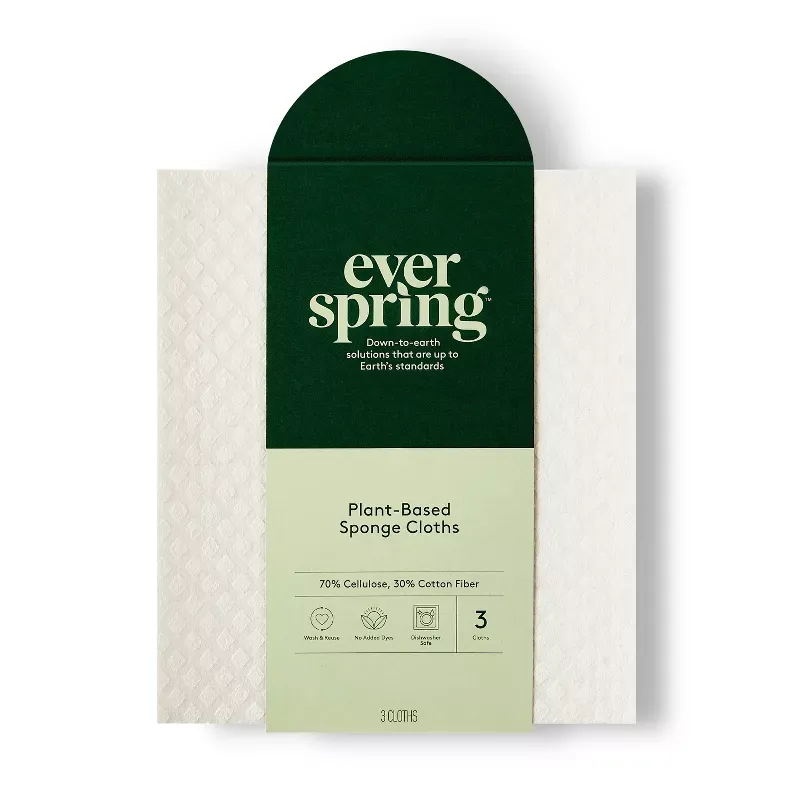
Sponge cloths are ideal for cleaning mold-prone areas, as they can be quickly sanitized in the top rack of a dishwasher or in the washing machine, helping to tackle waste.

These small detail cleaning brushes are ideal for targeting awkward spots that cloths can't reach, such as grout lines, window tracks and seals, or around fixtures.

For consistently damp rooms, consider investing in a larger dehumidifier. They might be expensive up front, but they can save you potentially hundreds in smaller moisture absorbers and salt, and prevent the need for hefty repairs and mold remediation.
Meet the Experts

Founder of Elite Renewables, Martyn Fowler, is a leading renewable technology experts, working with heat pumps and HVAC systems for the last two decades. His passion for decarbonisation, matched with a deep technical experience of the technology, makes him one of the industry's go-to experts for all things renewable.

Alan’s Factory Outlet is a family-run business owned and operated by Alan Bernau Jr and his wife Julie Bernau. Their goal has always been to give customers a fair price on the highest quality buildings while providing the finest customer service possible.
Mold prevention doesn't stop at managing moisture. There are some things you should declutter to prevent mold and damp, too.
