How to Choose the Best Steam Cleaners and Steam Mops
Embrace low-toxin cleaning with help from a bacteria-busting steam cleaner. Whether you need the best steam mop for floor cleaning or an all-rounder to tackle various parts of the home, our expert advice will help you find a trusted model

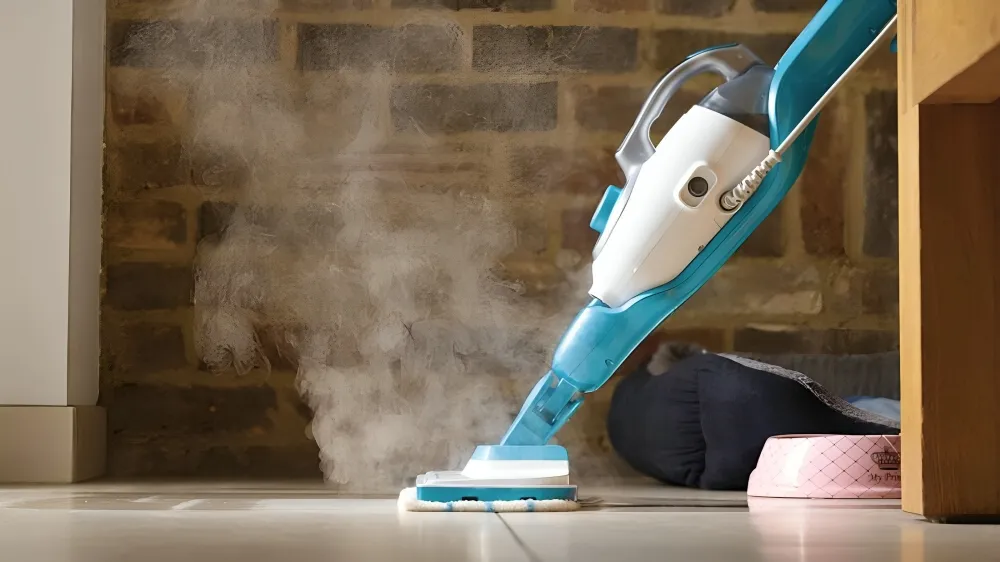
I have been covering appliances and homecare products for nearly a decade now, and in that time, the cleaning and floorcare industry has struck me as one of the most innovative. Thanks to a heightened interest in cleaning due to certain world events and social media 'cleanfluencers', we have seen huge advances in the technology that allows you to power-clean your home.
People are also looking for ways to sanitize their homes as thoroughly as possible without the use of harsh, or even toxic, chemicals. And this is where steam cleaners rightly maintain their superiority. Cleaning with steam is fast, non-toxic, and, by using temperatures over 212°F, an effective way to kill up to 99.99% of bacteria, viruses and mold spores.
It is also incredibly versatile – everything from floors to bathrooms, textiles and even grills can be easily cleaned with steam. But with so many tasks for steam cleaners to take on, you will need to choose a machine optimized for the jobs you do most regularly.
Here, we have combined knowledge from our extensive floorcare testing with advice from cleaning experts, equipping you with everything you need to know before buying a steam cleaner. We break down the features a good steam cleaner absolutely cannot be without, and compare the specs our favorite steam mop and cleaner brands offer. We also explain what benchmarks to look for when it comes to steam pressure, power and water tank capacity, so you can confidently choose the best steam cleaner for keeping your home clean – no matter how many sticky fingers or muddy paws are against you.
Steam Mop vs. Steam Cleaner
Here, when we say 'steam cleaner', we mean any cleaning device that uses boiling water to sanitize. That includes steam mops.
All steam mops are steam cleaners, but not all steam cleaners are in mop format. When deciding between a steam mop and other steam cleaners, it depends on what you want to use it for. So if floor care is your main goal, choose one optimized for cleaning floors – these are often, but not always, labeled as 'steam mops'.

Types of Steam Cleaner
The first step in choosing the right steam cleaner, is knowing what type you need. Then you can consider tools, features, and accessories.
Uprights or steam mops are for cleaning floors fast. Great if your home has loads of hard flooring. They are a lifesaver if you have kids or pets and feel you need a deeper clean than vacuuming and wet-mopping can offer.
Handheld steam cleaners are much smaller units that are great for grout, counters, bathrooms and even BBQs. If you don't intend to use a steam cleaner for flooring, but do want a tool for targeted low-toxin cleaning, this is for you.
2-in-1 hybrid steam cleaners offer the most versatility. They may present in upright or canister format, and can take the place of a steam mop if you use the floorcare foot. They also have brushes, nozzles and tools that allow them to do the same jobs as handhelds. The trade-off is that they tend to take up a lot of storage space, so are best for those who do a lot of regular deep cleans.
There are also commercial options used in places like healthcare environments or for textile cleaning. They are very powerful but can cost thousands of dollars, so are reserved for places where deep cleaning is vital.

How to choose the best steam cleaner or mop for your needs
Whether you choose a mop or a handheld, there are a few things to check before buying any steam cleaner.
Corded or Cordless?:
While cordless is very common technology for vacuums, it is less so in the world of steam cleaners. This is because the power needed to heat water to boiling point can quickly deplete even the best batteries. For flooring and extensive cleans, opt for a corded machine. There are some smaller handhelds that are cordless, but the best we found only had a run time of 10 to 15 minutes which will not be sufficient for most jobs.
Cord Length:
With there being fewer good cordless options on the market, cord length becomes very important. For steam mops, look for a cord length of at least 20 feet to give good range. Constantly changing outlets is particularly annoying when contending with damp floors and an upright that is hard to put down.
For canister options, you can get away with a slightly shorter cord as they tend to have an extension hose that offers plenty of scope. 15 to 18 feet is adequate.
If you have a smaller handheld for targeted cleaning, a compact cord is fine and less likely to get in the way. Just make sure it is long enough to reach an outlet for cleaning hard-to-reach areas in your bathroom, or even outdoors.
Water Tank:
If you’re cleaning a large space, this determines how often you’ll have to replace the water. However, steam mops tend not to have massive tanks because that makes the unit heavier and less manoeuvrable. Look for a tank that is at least 10 to 16 ounces for your handheld or upright steam cleaner, and you should get a satisfying 15 to 20 minutes of continuous cleaning.
With a canister, you should look for a larger tank to maximise use. The water tank will sit on the canister and not be lifted while cleaning, so 40–50 ounces is common and will allow for at least 30 minutes of cleaning (though in the most efficient models this could be as much as an hour).
Continuous Fill vs. Boiler
Some steam cleaners boil the whole tank at once. This is great for quick domestic tasks and the tech tends to be more affordable. However, you usually need to let the tank cool and depressurize before refilling or putting away, which can be a hindrance.
A continuous-fill steam cleaner, on the other hand, has two tanks. One is a reservoir for the clean water, and the other is a pressurized boiler delivered to the hose or steam foot. These offer a much more seamless clean as they can be refilled as you go, but they do cost more. Invest in one if you clean with steam frequently, or clean large areas.
Weight:
A lightweight option is most important for handheld and mop-format steam cleaners. Two to five pounds is manageable for most people, though look for the lighter side if you plan to clean overhead. Canisters can weigh over 15 pounds when empty, and more once the tank is full. Bear this in mind if you will be carrying the unit up and down stairs.

Spec Checklist: Performance Features to Look Out For
The physical attributes of your steam cleaner are important in themselves, but will also impact the machine's performance. Higher-capacity tanks offer longer run time, but can take longer to heat. Higher-power mops will offer a deeper clean, but may weigh more due to more elaborate mechanics.
When reading the specs, look out for the following:
- Heat Time: Less than 30 seconds is great, especially with a handheld
- Run Time: 20 minutes is good for an upright or handheld. Expect 30+ from canister models
- Wattage: Look for 1400W+ to ensure quick heating and steady pressure
- Steam Pressure: 40-60+ PSI for the strength to blast through grease and grime
- Temperature: High heat setting of 212°F to kill bacteria
- High/Low Settings: Models with variable pressure settings mean you can tackle heavy soiling, but also approach sensitive surfaces like sealed hardwood with care.
- Trigger or Button: Some are just an on/off button, while others include a trigger that deploys steam when you press it.
- Auto Shut-Off: This is an important feature that protects the heating element by switching it off if the water tank runs dry
Flooring Compatibility & Safety
Whenever you use steam, you run the risk of damaging your flooring with high heat or moisture exposure. Steam mop cleaning pads and floor attachments for your steam cleaner help limit these risks, as do variable steam controls, but you should always be careful when cleaning floors, especially those made of wood or laminate.
Look for a steam cleaner with settings for different flooring types. You can even steam clean carpet with the right attachments.
With all flooring, check the steam cleaner manufacturer's advice and your flooring warranty too, but here are some tips for cleaning different surfaces with steam.
Floor Type |
Risk |
Tips for Safe Use |
|---|---|---|
Hardwood & Engineered Wood |
Heat can degrade topcoats and varnishes and moisture can swell planks, or even lead to rot |
Only steam sealed wood floors. |
Luxury Vinyl Plank (LVP) |
Temperatures exceeding 120°F (49°C) can warp vinyl layers and loosen adhesive |
Avoid steam cleaning. If you must, use the lowest temperature setting and keep moving |
Laminate |
Vapor permeates the fiberboard causing irreversible swelling and surface bubbling. Will lead to plank lifting |
Do not use a steam cleaner unless the manufacturer permits it |
Natural Stone & Unsealed Tiles |
Trapped moisture or thermal shock can damage tiles and grout |
Ensure tiles are properly sealed and avoid intense steam for long bursts, especially over grout lines |
Glazed Ceramic Tile and Porcelain |
Lowest risk flooring type, but still be mindful of grout cracking or thermal shock |
Avoid areas of unsealed or cracked grout. Limit thermal shock risk by cleaning at room temperature only |
Polished & Sealed Concrete |
Also low risk, but do not clean unsealed concrete and practice caution with painted or epoxy-coated concretes |
Do NOT clean unsealed concrete and test on treated surfaces first. On painted surfaces, use low settings and move the head continuously. Avoid open cracks |
Carpet and rugs |
Oversoaking and moisture damage. May cause color bleeding |
Use a specialist carpet glider and always ensure the carpet is allowed to dry fully to prevent mold. Test a small area for shrinkage and color-steadfastness first |
Attachments and Accessories
Steam cleaners often come equipped with a multitude of accessories for cleaning various surfaces. Here are some of the most common ones:
Microfibre Pads:
For mopping and large surfaces, your cleaner will need some kind of floor-cleaning pad. These are usually microfibre to offer gentle but thorough cleaning, and may attach with Velcro or slip on to the foot. Always look for machine washable pads for easy maintenance.
Carpet Gliders:
If you have a mix of hard and soft flooring, a carpet glider can be invaluable. They come as a foot attachment or adaptor and deliver a controlled shot of steam for sanitizing carpets. They won't lift dirt, but can reduce bacteria and smells after vacuuming.
Brushes:
Many steam cleaners come with brushes for targeted cleaning. Most brushes are nylon, which enables you to gently clean faucets, counters, and sinks. You can also get metal brushes made from brass or stainless steel, designed for cleaning grills or heavy grease on hardwearing surfaces.
The brush kit may have different sizes and shapes for various uses, too. Small detail brushes get into corners. They may be labeled as grout brushes, designed to lift dirt from grout lines, while reducing the impact of the heat and steam that could cause cracks. Large round and flat brushes can be used for cleaning large surfaces like tiled walls, and shower screens or trays.
Squeegees:
A squeegee attachment is perfect for cleaning shower screens, mirrors, windows and other high-shine surfaces.
Garment-Steaming Attachment:
Some brands such as Karcher, offer garment-steaming attachments to turn your steam cleaner into a garment steamer. This can be used to remove creases, but also freshen curtains and other textiles to remove odor. These prevent the damage that could occur with your standard steamer nozzles, but always test on an inconspicuous area first.
Fragrance Disks:
Some cleaners have a scent tray or pocket on the mop pad to add fragrance to your clean. Always check they are compatible with your cleaner and never add to a water tank unless the manufacturer advises.

Care & Maintenance
Steam cleaners need frequent maintenance to increase their lifespan and ensure they have optimal cleaning abilities. As well as cleaning the floor pads and brushes, you will need to think about the inner workings that are a bit harder to get at.
Like anything using water, they can be prone to scale build-up. So, if you live in a hard water area, consider using distilled or filtered water. You could also look for a model with autoclean functions to help keep the machine clean.
There are a few things you need to do to protect your machine from mold and smells.
After every use:
- Empty the water tank and leave the inlet open to allow it to dry before storing
- Wash any pads or brushes in hot water
Every one to three months:
- Descale the heating chamber. You can use a mix of white vinegar and water, or specialist cleaning tablets. Check the manufacturer's instructions
- Clean any steam nozzles or inlets with a small pin or paper clip to release mineral build up or mold
Which is the Best Steam Cleaner Brand?
The best steam cleaner brand for you depends on what you want to clean and how large a space you need to cover. Some brands such as Bissell and Shark really prioritise the floorcare aspect with easy-to-manoeuvre upright models. While Dupray and McCulloch specialise in heavy-duty cleans across multiple surfaces, but these tend to result in a larger unit that is heavier and will need more storage space.
Pricing is as broad as it is for other floorcare machines — simpler handheld models are often less than $100, while self-cleaning, professional-grade cleaners will often be $500 or more. $150 can get you a good cleaner that balances at-home convenience with plenty of tools and features.
Compare the key brands and what each is best for below.
Brand |
Best For |
Key Features |
Leading Model(s) |
Price Range |
|---|---|---|---|---|
Bissell |
Everyday hardfloor cleaning and pet mess removal options |
Fast heat, optional fresh disks/scented water, combi vacuum and steamer options |
Bissell PowerFresh Deluxe, Bissell PowerFresh Vac & Steam All-in-One |
$110–200 |
Dupray |
Heavy-duty pro cleans, grout and multisurface |
Canister boiler with high pressure and temp (up to 50psi and 275°F), large tank for long cleans (50 mins), large attachment selection |
$180–260 |
|
Ewbank |
High power in a small canister |
Large range of tools for price, lightweight canisters, high pressure (54psi) |
$100–180 |
|
Karcher |
High-pressure and mulitsurface ease |
EasyFix system for touchfree cleaning-pad changes, quick-heat options, VapoHydro on some models (for higher pressure cleaning), large tool kits, canister format |
$220–330 |
|
McCulloch |
Pro-level deep cleans |
Specialized brushes for grout & tile, automotive detailing, grease-removal nozels, hard and soft floorcare heads, wide range of formats |
$80–230 |
|
PurSteam |
Budget multisurface versatility |
10-in-1 kit designs, easy to convert to handheld, large detailing kit including squeegee, brushes and carpet glider |
$80 |
|
Reliable |
Commercial grade cleaning and durability |
Robust heating elements, triangular heads for deep corner cleans, integrated carpet gliders, built-in brushes |
Steamboy 300CU |
$130 |
Shark |
Lightweight maneuvrability and quick cleans. Affordable steam mops |
Double-sided cleaning pad, targeted steam for grime, machine washable pads |
Shark Steam & Scrub, Shark LiftAway Steam Mop & Detachable Steam Cleaner |
$80–190 |
Tineco |
Premium wet-dry steam vacuums and autoclean functions |
Vac/steam mop combos, self-clean dock, wash and heat-dry of rollers |
$700+ |

FAQs
Steam Mop vs. Mop-Vac: What's the Difference?
Steam mops use high heat to dissolve grease and sanitize surfaces. Mop vacs are an all-in-one that can lift wet and dry messes at once.
The latter is great for daily cleans and catching spills, but will not provide a deep clean. And, it will need special solutions adding to sanitize surfaces.
If you want a budget-friendly way to deep clean, choose a steam mop. If you regularly use a cleaning company, a mop-vac can be great for top-up cleans.
Can you Get Robot Steam Cleaners?
There have been a few robot steam cleaners, but they are often constrained by the demands heating water puts on a battery. So, as yet, they are not widespread and are often pricey.
If you want automated floor sanitization, consider one of the many high-end robot vacuums that include mops. They use cold water, so a solution needs to be added to kill bacteria. Therefore, manual steam mops will better suit most people if your goal is sanitization and deep grime removal.
Can I use a Steam Cleaner on All Flooring, Including Vinyl Plank?
The short answer, is no. Excessive heat and moisture will damage flooring that includes glued planks or vinyl coatings. Steam mops should be used on fully-sealed floors at low steam settings when advised by flooring manufacturer.
Can you put Floor Cleaner or Essential Oils in a Steam Mop
This is tempting, but no – you should not add anything but water to your steam mop tank unless it is designed for that use. Oils and cleaners can damage the heating element and void your warranty, or leave residue on the floors.
With steam, you don't need a cleaning solution as the heat does the trick. Steam also kills bad-smelling bacteria, so you do tend to get a very clean aftersmell as long as the machine and tools are clean and well-maintained. If fragrance is important to you, follow your steam clean with a fragranced floor spray and wet mop, or look for manufacturer approved fresh disks.
Does Steam Cleaning Kill 99.9% of Bacteria?
As long as steam is produced and water heated to 212°F (or 100°C), then yes. For best results, target each area for 10 to 15 seconds with multiple passes to maximise impact.
What Kind of Water Can I use in my Steam Cleaner?
Tap water might include hard minerals that leaves deposits and blocks nozzles. Over time this can damage your cleaner and the heating element, making it less effective or even breaking it.
Extend the machine life by using distilled or demineralized water.
How do I Get the Most From my Steam Cleaner?
If you are using your cleaner or steam mop for flooring, always vacuum or give it a good sweep first to remove all dry debris. You might also want to pre-mop any heavy soiling such as wet or dried-on spills first, so the floor head cleaning pad does not become overloaded with grime.
The same applies for other surfaces. While a steam cleaner will lift dirt, grease and grime, removing what you can first prevents build-up on tools.
