3 Cleaning Essentials You Can Compost to Cut Toxins, Ditch Plastic, and Keep Your Home Healthy
Look out for your health and the planet with these easy swaps


Swapping to compostable cleaning essentials means keeping your home fresh doesn’t have to come at the cost of your health or the planet.
Many conventional cleaning products contain plastics, harsh chemicals, and toxins that linger in your home long after use, whilst compostable alternatives will get the job done well without adding waste or harmful residues.
From natural sponges to smart sprays, these eco-conscious, non-toxic cleaning products let you clean effectively while reducing plastics and toxins inside your home.
The Compostable Cleaning Essentials to Swap In Now
1. Concentrated Cleaning Spray Tablets

Refillable glass bottles and tablet cleaners are far better for the planet.
If you like the idea of refillable sprays, but don't want the hassle of making your own DIY cleaning solutions, concentrated cleaning tablets are the solution begins Sofia Martinez, Cleaning Expert and CEO at Sparkly Maid Austin, especially those that come in fully compostable wrappers, such as the Blueland Multi-surface Cleaning Tablets from Amazon, which also comes with a glass reusable bottle.
'One tablet creates enough all-purpose cleaning solution to create many bottles worth of cleaning solution, reducing plastic usage by significant amounts,' Sofia explains. 'The paper wrapping of these cleaning solutions will be completely broken down in an industrial compost facility in 90-180 days.
'Additionally, the active ingredient formulations for these tablet-form cleaning solutions tend to exclude harsh chemical cleaners and instead utilize plant-based cleaners.'
They aren't limited to cleaning sprays, either. You can also find Blueland tablet hand soap kits at Amazon. Similarly, you can opt for the AspenClean dishwasher pods, also from Amazon, which are plastic-free and come in compostable packaging.
2. Compostable Scrubbing Pads

Natural cleaning doesn't mean poor results. You can get the job done just as easily with items that are better for the planet and that will break down quickly.
Sometimes you still ned a tough touch to tackle tasks such as cleaning kitchen grease. Rather than resort to traditional plastic or metal scrubbing tools, however, Sofia suggests picking up compostable or biodegradable coconut scrubbing sponges instead, such as the AIRNEX Natural Kitchen Sponges, from Amazon.
When shopping for eco-conscious cleaning tools, be aware of the language used. Biodegradable and compostable are not to be used interchangeably.
A compostable product will degrade in your standard garden compost to create usable soil. Biodegradable, on the other hand, will break down eventually, but usually only when left in warm enough conditions for a long enough period, with no set timeframe.
Both are far better than standard plastic, however, so don't skip biodegradable just because it doesn't sound as 'helpful' as compostable.
These sponges, for instance, promise to be both compostable and biodegradable, and you need to separate the compostable top sponge from the biodegradable coconut fiber scrubber before you dispose of them correctly.
3. Sponge Cloths

Sponge clothes are the ideal tool for kitchens.
Every home should have sponge cloths. These cellulose-cotton tools are a more eco-conscious alternative to disposable cloths and sponges, and have less plastic waste than traditional microfiber, which Sofia points out releases microplastics when washed.
Sponge cloths, available from Target, like other 100% cellulose products, are 100% compostable according to studies, breaking down in your garden compost, especially when hot composting.
They are also ideal for a large range of tasks, from dusting to cleaning kitchen counters to washing dishes by hand. Better still, they are easier to reuse than microfiber cloths, as they can be sanitized in the top rack of your dishwasher, rather than you having to wait until you do laundry. They're ultra absorbent, too, making them the best alternative to traditional paper towels.
What to Shop
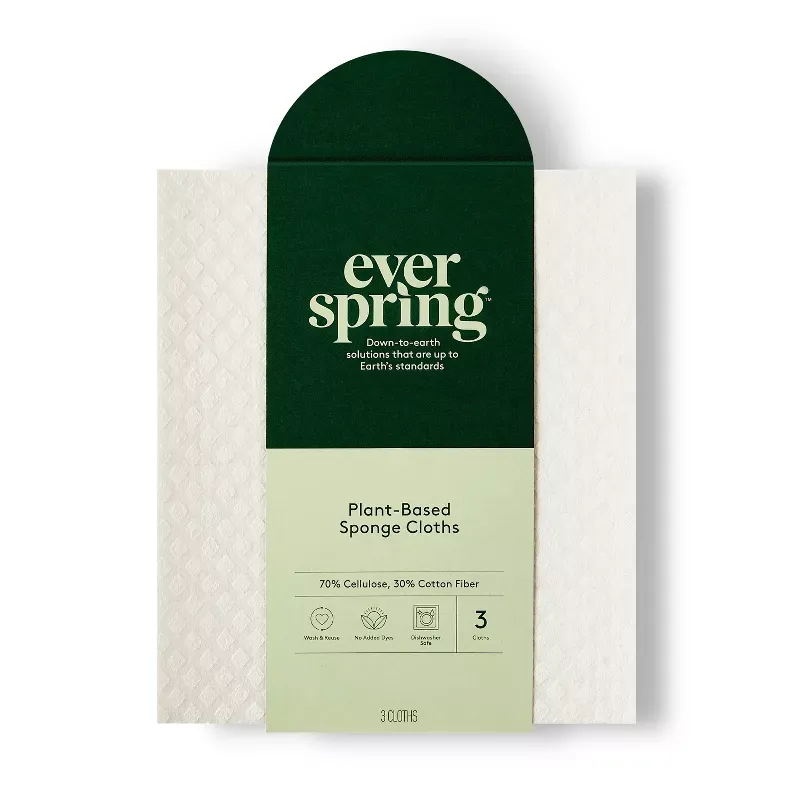
Sponge cloths are plant-based, meaning they are free from plastics and decompose in compost heaps in around 10 months, making them a eco-friendly, hygienic alternative to traditional sponges and paper towels.

Microfiber cloths are machine washable, meaning you can reuse them for years with proper care so you can ditch paper towels. Simply wash microfiber after use to sanitize, using a warm water cycle and detergent, but skip the softener.

These concentrated cleaning tablets are simple to use. Just fill your bottle with water, drop in a tablet, and you’re ready to fight grease and grime on everything from stovetops and countertops to wood and stone.

Made from glass with a BPA-free plastic nozzle head, this reusable cleaning spray bottle features convenient volume markings on the body for easy cleaning product mixing.

Baking soda is a natural abrasive that helps break down tough deposits without scratching delicate surfaces such as metal and glass. Mixed into a paste with water or used with vinegar for fizzy cleaning. It's safe for use in most areas of your home.
Meet the Experts

Sofia is a cleaning expert and the CEO of Sparkly Maid Austin, a leading name in professional cleaning services, with over a decade of comprehensive experience in both residential and commercial cleaning.
Switching to compostable cleaning supplies is just one of the many steps you can take towards creating a non-toxic home. Next, consider switching your other cleaning products to EWG-verified solutions or swapping plastic food storage for glass, as well as learning about how to avoid greenwashing.
