This Simple Vinegar Steam Trick Melts Away Oven Grease and Grime With Minimal Scrubbing
It's a simple, effective, and non-toxic approach to stubborn oven mess


Keeping an oven clean is one of the most time-consuming kitchen tasks. It's messy, inconvenient, and many of us battle with harsh chemicals in an attempt to conquer stubborn, baked-on grease.
Luckily, there's a better, non-toxic option that limits scrubbing, professional cleaners reveal. And the answer is likely already sitting in your pantry with the cleaning powerhouse that is vinegar.
Here's how the simple vinegar steam method can help you clean your oven without chemicals and minimise backbreaking scrubbing.
What Is the Vinegar Steam Method to Clean Ovens Without Harsh Chemicals?
Cleaning with vinegar is one of the best ways to create a non-toxic home. It is a natural degreaser and mild disinfectant, helping to deodorize your oven and remove cooking odors simultaneously.
Better still, you only need a few tools:
- A baking tray or oven safe dish, such as these glass containers from Amazon, which double as non-toxic food storage.
- Tap water.
- Distilled white vinegar, from Target.
- A gentle scrubbing pad, such as the Scrub Daddy Sponge from Target, softened with warm water.
- Optional: Lemon juice, bottled from Target is fine, to add a nice scent and for extra degreasing power.
How To Degrease an Oven with Vinegar Steam

This cleaning trick can work in the background as you clean the rest of your kitchen, saving time with task stacking.
Cleaning an oven with vinegar steam is super simple, with most of the work being hands off. For an efficient clean, Alicia Sokolowski, president and co-CEO at AspenClean shares:
- Remove racks first: Cleaning oven racks separately prevents uneven results and makes wiping the oven interior easier.
- Ventilate: Vinegar steam can be pungent; open a window or turn on a fan to improve ventilation. Adding a tablespoon or two of lemon juice can help to prevent an acrid smell while boosting the degreasing effect.
- Use enough: Add 1/2 to one cup of vinegar to the dish and top up with water. You want to add enough that it will not boil dry while steaming.
- Use the right temperature: Heat the oven to 200-250°F (95-120°C), hot enough to create steam, not so hot that it evaporates instantly.
- Give it time to work: Let the steam work for 30 to 45 minutes, then turn the oven off and let it cool slightly before wiping.
- Wipe while warm: Clean when the oven is warm, but ensure it’s safe to touch. Grime releases more easily before it re-hardens.
- Follow up on stubborn spots: For any remaining residue, clean with baking soda (making a paste with baking soda and water) and gently scrub. A plastic scraper or a non-scratch sponge, such as the Scrub Mommy Dual Sided Sponge from Target, helps without damaging enamel.
Why It Works

Vinegar isn't as potent as harsh chemicals, but it is far healthier for you and your appliance.
It is essential to note that this method for cleaning kitchen grease is most effective when used in conjunction with regular oven cleaning, particularly for mild to moderate grease buildup. Elena Navarro, cleaning expert at Sparkly Maid Austin, warns, 'It will not magically remove years of heavy grease buildup from their ovens.'
That being said, it can still help as part of your routine. 'Vinegar is a very effective solvent for fat-based substances. When heated to create a gentle steam, the water molecules (H2O) rehydrate dry-on foods and spills. The mild acid in the vinegar (acetic acid) works to break the adhesive bonds holding grease films onto the enamel surfaces of the oven and can also neutralize many of the lingering cooking odors,' Elena explains.
'I recommend using it frequently on ovens that do not have heavy, thick grease buildup, ideally every couple of weeks or after roasting a large meal. This will prevent the grease from becoming completely carbonized.'
What to Shop

Distilled white vinegar is a fantastic non-toxic cleaning tool for any home. When used correctly, it can help to kill mold and bacteria, as well as tackle odors and lighten stains, all without harsh chemicals.

Baking soda is a natural abrasive that helps break down tough deposits without scratching delicate surfaces such as metal and glass. Mixed into a paste with water or used with vinegar for fizzy cleaning. It's safe for use in most areas of your home.

The Scrub Mommy sponge softens under hard water and toughens under cold water, allowing you to adjust the level of abrasive you need depending on the task at hand.
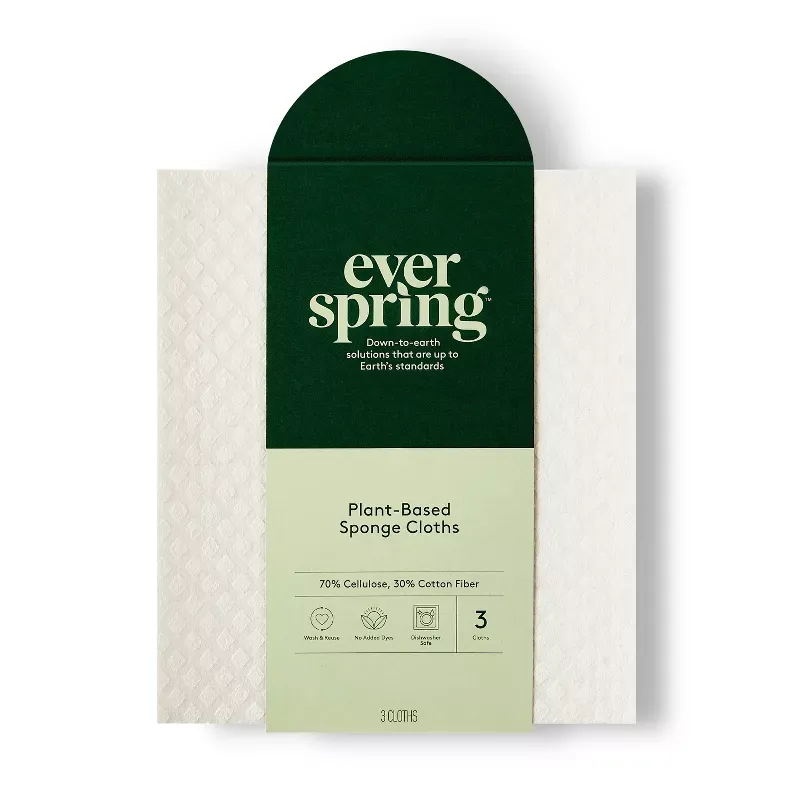
Sponge cloths are plant-based, meaning they are free from plastics and decompose in compost heaps in around 10 months, making them a eco-friendly, hygienic alternative to traditional sponges and paper towels.

These glass containers are microwave, oven, freezer, and dishwasher safe, making them the perfect multi-purpose addition to your kitchen. Not to mention that glass is non-toxic, unlike plastic.

For cleaning the rest of your kitchen, use a non-toxic degreasing spray. The Environmental Working Group (EWG) has certified Attitude products as non-toxic, meaning they contain no harsh chemicals or artificial compounds.
Meet the Experts

With over 17 years of experience, Alicia specializes in creating a healthier, green alternative to chemical-based cleaning products and services. She co-founded AspenClean to champion all-natural cleaning services.
While vinegar might seem like the miracle solution to a whole host of cleaning quandaries, there are some things you should never clean with vinegar to prevent damage.
