How to Clean and Care for Every Type of Cookware – From Stainless Steel to Non-stick, Cast Iron and More
Each requires a different approach to avoid damage and for the best results


Your cookware is the backbone of every great meal, but each type, from stainless steel to cast iron, has its own rules and needs when it comes to cleaning and care.
Knowing the right way to wash, dry, and maintain your cookware not only prolongs its life but also ensures your food tastes just as it should.
So, after spending good time and money choosing the best cookware, invest the same energy into cleaning and caring for it to ensure it lasts for years to come.
How to Clean and Care for Every Type of Cookware
How to Clean and Care for Cast Iron

Cast iron needs regular attention to maintain the metal.
The best cast-iron cookware is some of the most robust pans you can add to your kitchen. However, they also require considerable upkeep to remain functional.
From cleaning tips to 'seasoning' and restoring, there is a lot to understand about these rustic pots.
Cleaning Cast Iron
Unlike most pans, you should avoid soaking cast-iron pans, meaning they should not go in a dishwasher, and or be left in the kitchen sink after use, either.
Instead, after letting your pan cool, wipe any residue, rinse with hot water, dry with a soft cloth, and oil it. The only time you should use dish soap is before the first use or before seasoning.
This is because soap can dry out the iron; you want to keep the moisture of the oil in the iron because that’s what makes it naturally non-stick.
After rinsing, wipe the skillet with a towel and then dry it on a low heat on the stove. Never leave a cast-iron pan to air dry, as the water will dry out the iron or could cause rust.
Most importantly, don’t use a scouring pad or metal scrapers to clean your cast-iron pans, as these can be too harsh. Instead, use a soft sponge or cloth.
If you have tough, burnt-on food in your pan, then you may need to soak it. Soak in hot, soapy water and use a plastic brush to scrub thoroughly, such as this non-scratch soft brush from Walmart.
If soaking hasn’t worked, simmer gently with baking soda, from Amazon, dissolved in warm water. Once cooled, rinse and wash with soapy water. Always finish this step by drying and reseasoning to protect the iron.
Seasoning Cast Iron
It’s important to reseason a cast-iron pan after a thorough cleaning, as it will protect the surface and ensure food doesn’t stick to it.
Seasoning is basically a baked-on layer of oil. The skillet should have a black, glossy finish, so if this is looking worn or grey, then you need to reseason.
‘To reseason your cast-iron skillet, just coat the pan with a thin layer of vegetable oil [affordably available at Walmart], heat in a hot oven at 400°F/220°C for at least 10 mins and leave to cool inside the oven,’ says James Robinson, Judge and Stellar product manager at Horwood.
You can also reseason a pan on the stovetop. Simply apply a light oil coating and heat the skillet for a couple of minutes. It will start smoking, and when this dies down, it's ready. You may need to repeat the process if you are restoring the pan.
The choice of which oil to reseason your skillet is also worth a thought. 'The oil doesn’t need to be fancy. Use what you have – such as vegetable, sunflower or groundnut,' says James Devonshire, head of the Cookery School at Daylesford.
Removing Rust From Cast-Iron Pans
While the appearance of rust on your cast-iron pan can seem troubling, it is easily removed with a bit of elbow grease.
You can clean with steel wool on tougher surface dirt and rust spots, which will get the surface looking like new again. The SOS Steel Wool Dish Scrubber Pads, from Walmart, are ideal for this.
After removing the rust, give the skillet a good wash in hot, soapy water, and then reseason the surface.
Food to Never Cook in Cast Iron
Although cast iron is very hardy, there are some foods, particularly acidic ones, that can damage the surface and should be avoided for a longer lasting pan:
- Fish: Flaky fish fillets, particularly delicate varieties, are not well-suited for your cast-iron skillet. Even if you're skilled enough to flip your fillets without incident, chances are the skin will not make it through the process.
- Eggs: If your pan is not well-seasoned, your eggs could end up being a bit of a mess. Not only will they stick to the pan, but the clean-up will also be undesirable.
- Tomatoes: As tomatoes break down, metallic flavors from the pan will leach out into the sauce.
- Acidic foods: The acidic properties are known to wear away the non-stick layer of seasoning, leaving the pan vulnerable to rust. The other issue is that cooking anything particularly acidic will cause iron to trickle into your food. This would not usually pose a health hazard, but no one wants to endure that metallic aftertaste in their food.
- High-odor foods: Cast iron is commonly known to hold onto the smells of what we cook, so if you like preparing pungent food, like fish, cheese, and garlic, be prepared for this smell to linger on your cookware.
How to Clean and Care for Dutch Ovens

Dutch ovens are most commonly made out of enamelled cast iron.
The best Dutch ovens, such as heritage Le Creuset, are often made from enamelled cast iron. While it might sound like a durable kitchen essential, it is surprisingly fragile and remarkably breakable.
For this reason, you need to store your Dutch ovens and enamelled cast-iron pans carefully. Avoid stacking heavy items on top of enameled cast iron, as this can lead to chipping or cracking. We recommend Pot and Pan Protectors available at Amazon if you are short on space and need to stack.
According to Homes & Gardens' expert kitchen editor, Lydia Hayman, it is simple to clean and care for enameled cast iron, so long as you use a gentle, patient approach:
- Allow the pan to cool down: Let the enameled cast iron cool before starting to clean it. Plunging a hot pan into cold water can cause the enamel to crack from thermal shock,' which is a mistake to avoid when cleaning kitchenware.
- Leave it to soak: Soak the pot for 15-20 minutes before attempting to scrub, Lydia says. 'This is a simple way to remove stuck-on food without harming the enamel.' Use warm water and a quality dish soap, such as Dawn, from Target.
- Wash with a sponge: After soaking, use a gentle brush or sponge, such as the METUUTER Kitchen Sponges available at Amazon, with a mild dish soap and warm water to remove residue, explains Lydia. 'If there's stuck-on food, resist the temptation to use metal scourers or harsh cleaners, as they could damage the surface.' Instead, try scraping with a wooden kitchen spatula from Walmart.
- Use baking soda for stains: Cleaning expert Jade Piper, suggests cleaning with baking soda to help lift stains without harsh abrasives. Create a paste by mixing baking soda with water. Apply it and gently rub with a soft cloth (such as the HOMEXCEL Microfiber Cleaning Cloth available at Amazon), then rinse thoroughly. If there are mineral deposits or discoloration, soak it for at least 30 minutes in a solution made of equal parts white vinegar and water. You can also try cleaning with lemon juice if you need some extra brightening power,’ she adds.
- Use vinegar for exterior scorch marks: When removing burn marks from the exterior of your cast-iron pan, you can use a mixture of baking soda and vinegar to form a rough paste. Apply this to the burned surface and allow it to sit for 10-15 minutes before rubbing off with a damp cloth, repeating these steps as needed.
- Dry: To finish, let the pan dry completely. Unlike normal cast iron, enamelled pans do not need seasoning.
How to Clean and Care for Stainless Steel

Stainless steel pans are often favored by top chefs.
We have tested several of the best stainless steel pans, detailed in our Made In Stainless Steel Pan review and Caraway Stainless Steel Saute pan review, and found them to deliver consistently. They are the favored tool of top chefs, after all.
They are some of the most durable pans, and the easiest to care for when you know how to use them.
As they do not have coatings, stainless steel is one of the many things that you can clean in a dishwasher, but you also have several options for washing dishes by hand:
- Soapy water: For regular cleaning, warm soapy water is a simple but effective option, though it might take some elbow grease or a bit of time to soak. Seventh Generation Clean with Purpose Liquid Dish Soap, available from Walmart, is a powerful but eco-friendly dish soap that comes with a fresh, zesty scent, as well as great reviews.
- Lemon juice and salt: Karina Toner, operations manager at Spekless Cleaning, says, 'Sprinkle kosher salt on the discolored areas of the pan, then squeeze lemon juice [bottled, from Walmart, is fine] over the salt. Use the lemon peel to scrub in circular motions. Let it sit for 5 minutes, then rinse with warm water and dry with a soft cloth. The natural acidity of the lemon juice combined with the grit of the salt helps to lift stains and restore the shine of the pan.' We recommend Morton Salt Coarse Kosher Salt, available from Walmart.
- Vinegar and water: Toner says, 'Fill the pan with equal parts water and vinegar [available at Amazon in one-gallon bottles], bring it to a boil, then let it simmer for a few minutes. Afterward, scrub with a sponge and rinse thoroughly. The heat and acidity of the vinegar help break down grease and food particles that are baked onto the pan.'
- Baking soda paste: Toner says, 'Simply create a thick paste using Arm & Hammer Baking Soda from Walmart and water, and apply it to the burnt areas of the stainless steel pan. Allow it to sit for 10 minutes, then gently scrub the pan with a non-abrasive sponge. To finish, rinse and dry completely.'
- Salt and a Scrub Daddy: Will Cotter, owner of FreshSpace Cleaning, says, 'Sprinkle coarse salt on the pan, and dampen a Scrub Daddy sponge [available at Target] with a bit of cold water. It should be cold to keep the Scrub Daddy nice and firm, so it can work its magic without the salt dissolving too quickly. Then, simply scrub away and rinse!'
- Barkeeper's friend: Cotter says, 'This method is my personal favorite. Wet the pan, then sprinkle some Bar Keepers Friend powder, available from Amazon, on it. Trust me – the powder works better than the liquid stuff. 'Mix it with a bit of water until you’ve got a nice, thick paste going on. Don’t let it chill for too long, though – one minute is enough. Add a bit of Dawn dish soap to the mix. The grime should come off your stainless steel pan pretty easily. If there’s still some, a quick wipe with a paper towel should do it.'
- Dishwasher tablets: Toner explains, 'Dishwasher tablets contain powerful cleaning agents that break down stubborn grease and food residue. Simply place a dishwasher tablet in the pan and fill it with water, letting it sit for at least four hours, or overnight. On your return to the pan, scrub gently with a non-abrasive sponge, rinse, then dry thoroughly. Repeat if necessary for tough residue.' For reliable and effective dishwasher tablets, try Finish Quantum from Walmart.
- Hydrogen peroxide and baking soda: Toner says, 'This magic combination lifts even the most stubborn burn marks. Begin by sprinkling baking soda over the stainless steel's burn marks, then add a few drops of hydrogen peroxide to create a fizzing reaction. Let it sit for 10 minutes before scrubbing gently with a soft brush. Rinse thoroughly and dry to finish.' The MomRemedy Hydrogen Peroxide-Based Household Cleaner from Target is a reliable option with no added fragrances.
- Olive oil: For a quick polish, rub a small amount of olive oil from Walmart onto your stainless steel pan with a soft cloth. This method is great for removing fingerprints and gives your stainless steel a gleaming finish. Toner says, 'Rub the pan in circular motions, focusing on streaks and smudges, then buff with a clean, dry cloth to restore shine. The olive oil adds a protective layer to stainless steel, helping to repel future stains and streaks.'
- Cream of tartar: Last but not least, cleaning with cream of tartar makes for an unlikely but effective warrior against stubborn stains on stainless steel. Toner says, 'Cream of tartar is mildly acidic and so works well to remove stubborn stains. Begin by mixing the cream of tartar with water to make a paste, then apply it directly to the stains. Allow it to sit for 10 minutes before scrubbing gently with a non-abrasive sponge. Rinse with warm water and dry the pan. For added shine, you can also buff the pan with a dry cloth.' McCormick Culinary Cream of Tartar, available from Amazon, is high-quality and ethically sourced.
Making Stainless Steel Non Stick
One of the many reasons why people steer clear of stainless steel in favor of the best non-stick frying pans is that they can be difficult to learn how to use.
If you aren't used to them, stainless steel can leave many home cooks with burnt, stuck-on dinners. However, with a bit of practice and some handy tricks, you can make stainless steel non-stick. Done right, it is some of the best non-toxic cookware.
According to Lydia, to make stainless steel non-stick, try the following:
- Temper your ingredients: Around 20 minutes before you start sizzling, take your ingredients out of the refrigerator and let them sit at room temperature. Cold ingredients in a hot pan is a recipe for messy sticking, but this tip will help prevent that.
- Preheat the pan: Sticking often occurs if the pan is too hot or too cold when food is added. Once you find the correct temperature, things will be a lot easier. If you're using stainless steel, there's a simple trick to test the temperature known as the Leidenfrost test. First, heat the pan on medium for two to three minutes. Then, flick a few drops of water onto the surface. If the droplets fizzle and evaporate, you need to wait a minute or so longer for the pan to get hotter. Once the water droplets dance and glide around the pan, you're good to go. Just make sure to wipe away the water residue before you add your cooking fat.
- Create a shimmery layer of oil: When you add the oil or butter, thoroughly swirl it around the pan so you have a thin but full coating across the entire surface. Otherwise, your ingredients could slide into an uncoated area, and that's when they cling or become burnt. Keep in mind that you'll almost definitely need to add more oil or butter than you'd use in a non-stick pan.
- Wait for a proper sear and release: You need to wait a couple of minutes to let your food form a crust, then the food will naturally release from the pan and magically become movable. When the food has been released, you can flip with precision and ease.
- Clean up properly: If you've got burned leftovers in the pan, it will impact your next attempt. Always clean thoroughly before using again.

This is the best stainless steel pan Lydis has ever used. Crafted in Italy and the USA, it looks professional, cooks beautifully, and cleans well. Lydia has managed to turn out golden seared chicken, rich pan sauces, and more in her tests.

After speaking to chef friends, Lydia realized this is the very best spatula you can buy. It's made from super-thin and flexible stainless steel. Designed for flipping delicate fish, eggs, and pancakes perfectly.

This pan is both pretty and professional. Plus, it won't leach chemicals, since it's free from PFOAs, PTFEs, lead, and cadmium. Food sizzles and glides effortlessly, and it cleans easily with the natural brush included in the box.
How to Clean and Care for Non-Stick Pans

Non-stick pans need to be cared for carefully to avoid damaging the coating.
Even the best non-stick pans need delicate care to protect the non-stick coating. While they do make cooking easier, especially for those less confident in the kitchen, the coating, if it peels, chips, or flakes off, can be toxic. This is especially true if you use metal utensils, which should be replaced with silicone kitchen utensils, available in a set from Wayfair.
When storing non-stick pans, avoid stacking. Using cork trivets from Walmart to prevent scratching and peeling is an easy storage fix for these delicate pans.
Paul Mangold, quality control specialist at cleaning experts Fantastic Services, advises avoiding cooking spray oils. 'They can actually adhere to the non-stick surface, building up and causing food to stick. Use butter, vegetable oil, or olive oil instead,' he suggests.
Because of this, you should never put non-stick pans in the dishwasher, nor should you clean a non-stick pan while it is still hot, as the surface can warp under sudden temperature changes.
Instead, to clean non-stick pans, Paul says, 'After each use, let the pan cool slightly before washing. Then, always use a non-stick sponge and water to clean your pan.
'If there is buildup or burnt food on your pan, don't toss it. You can de-gunk it by rubbing in baking soda [from Walmart] and water, and scrubbing with a non-abrasive sponge. If this doesn’t work, try first soaking it for 20 minutes, then washing it off.' Dawn Powerwash Spray Soap, from Walmart, can also help loosen gunk without scrubbing.

Wooden kitchen utensils are ideal for use in every pan type, including non-stick, avoiding damage to delicate surfaces.
What to Shop

Distilled white vinegar is a fantastic non-toxic cleaning tool for any home. When used correctly, it can help to kill mold and bacteria, as well as tackle odors and lighten stains, all without harsh chemicals.

Baking soda is a natural abrasive that helps break down tough deposits without scratching delicate surfaces such as metal and glass. Mix into a paste with water or use with vinegar for fizzy cleaning. It's safe for use in most areas of your home.

The Scrub Daddy sponge softens under hard water and toughens under cold water, allowing you to adjust the level of abrasive you need depending on the task at hand.
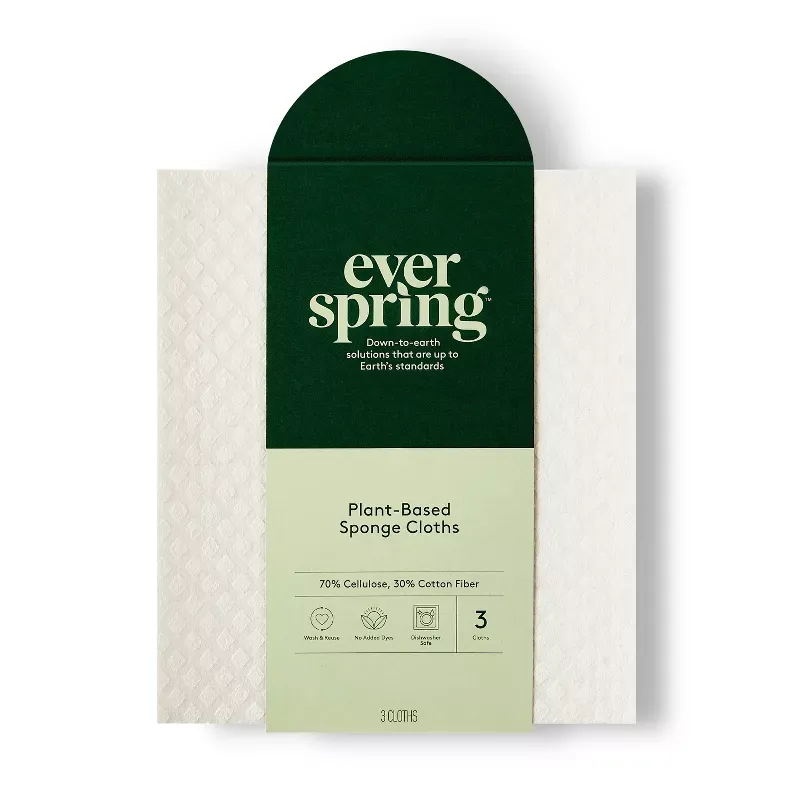
Sponge cloths are plant-based, meaning they are free from plastics and decompose in compost heaps in around 10 months, making them an eco-friendly, hygienic alternative to traditional sponges and paper towels.

These have an enzyme-rich formula that cuts through tough grease and food residue without fragrances, dyes, phosphates, or chlorine.

Lemon juice is a great natural cleaning agent with no harsh chemicals. It is ideal for breaking down touch deposits, lightening stains, and hiding lingering odors.
Meet the Experts

Lydia is our Kitchen Appliances Editor, testing everything from coffee machines and juicers to air fryers and mixers. Lydia trained in cookery at Leiths School of Food & Wine and was previously Recipe Editor for Mindful Chef. She’s also worked on editorial for brands like Six Senses and Deliciously Ella.

With numerous contributions in Homes & Gardens, Real Homes, The Spruce, and many more, Karina has extensive knowledge of both commercial and residential cleaning and knows better than anyone how to break bad housekeeping habits for good. She particularly likes using eco-friendly and non-toxic cleaning methods both in clients' homes, and her own.

Cleaning expert Will Cotter is the owner of multiple cleaning companies, including DeluxeMaid, which offers professional house cleaning services in Indianapolis, with a 4.9 out of 5-star rating on Google and over 600 positive reviews.

As a Quality Control Specialist at Fantastic Cleaners Australia, Paul Mangold has over seven years of experience ensuring cleaning projects meet the highest professional standards.
With all of your pans cleaned and cared for, switch your attention to cleaning a kitchen like a pro for a sparkling space that's fun to cook in.
